All-Women ‘Shaolin Soccer’ Tribute Scores Big, Divides Fans
Renowned Hong Kong actor-filmmaker Stephen Chow’s new kung fu football comedy, “Kung Fu Soccer,” has generated a wave of nostalgia in China and grossed over 660 million yuan ($100 million) at the box office in just four days.
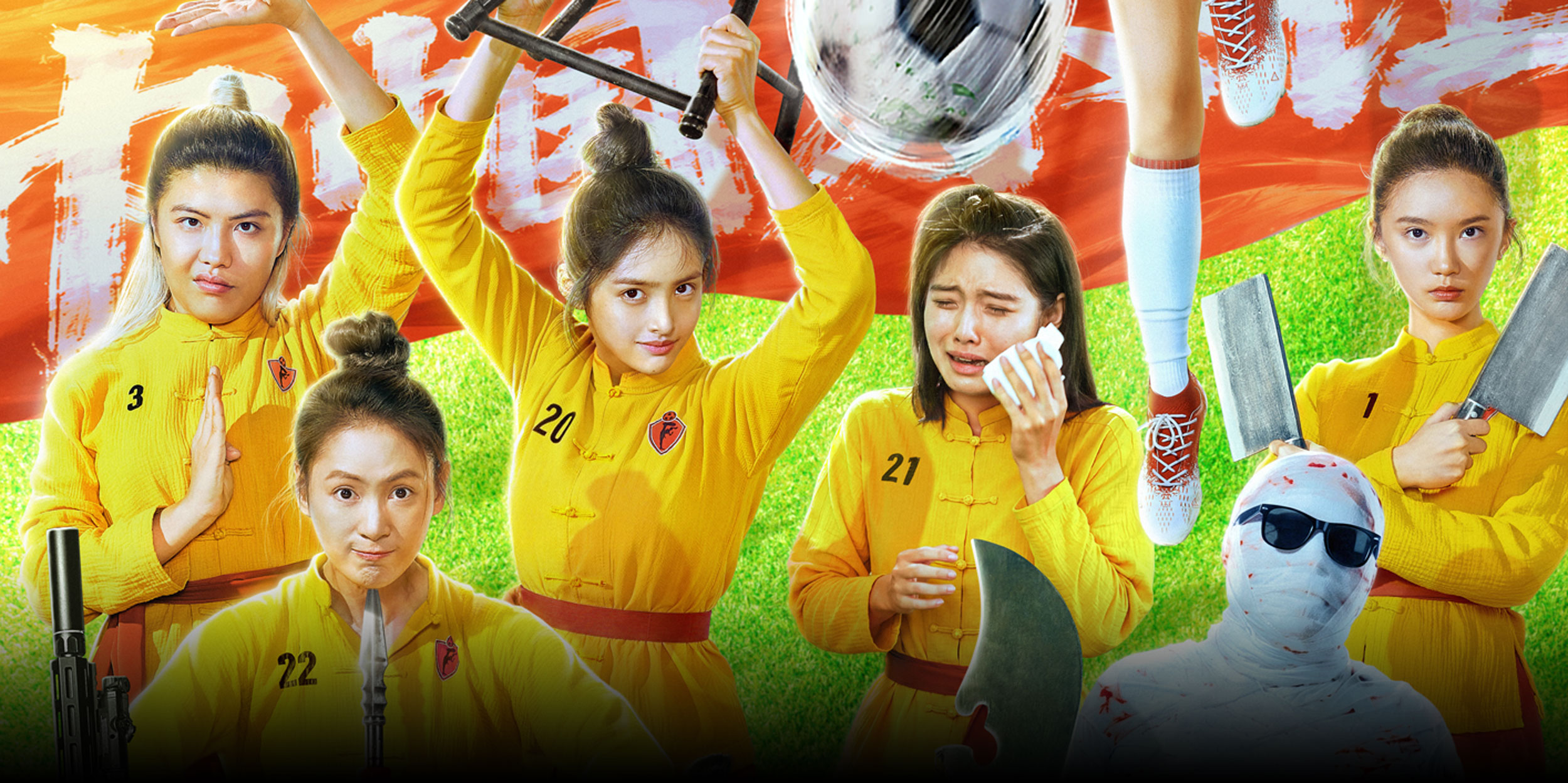
Released Saturday, the film is the best-attended and highest-grossing summer film debut in China in the last five years. Chow’s first film in seven years is considered a tribute to his 2001 comedy “Shaolin Soccer” and follows the Emei women’s football team, a modest group named after the famous wuxia martial arts sect. The players employ classic kung fu moves, often flying through the air to beat their rivals.
The film attracted significant investment. According to ticketing platform Maoyan, it was backed by 18 production companies and six co-producers, with a reported total investment of 380 million yuan.
Renowned for his signature mo lei tau, or “illogical,” comedy style, featuring exaggerated performances, absurd elements, underdog stories, and unpredictable twists that often satirize social conventions, Chow is widely regarded as having played a defining role in the development of on-screen Chinese comedy.
Unlike Chow’s previous football film, which centers around an all-male team, “Kung Fu Soccer” features female protagonists. It also explores how its characters reconcile with winning and losing, rather than how ordinary people rise to prominence through hard work, as was often the focus in Chow’s earlier films.
Prior to the release of “Kung Fu Soccer,” anticipation was high on social media. Many reposted the phrase “I owe Stephen Chow a movie ticket,” an apologetic reference to the prevalence of piracy of Chow’s past films in the Chinese mainland.
However, after watching the film, many reneged on their promise, posting instead that it was not viewers who owed Chow tickets, but rather the director who owed them tickets — in part because they were let down by the comedy.
Many complained that the film’s jokes felt outdated, with exaggerated performances, abrupt character development, and disjointed transitions between plot points that reminded some of “short-video compilations.” Others criticized the film for its jarring and distracting visual effects, including glowing football fields and players transforming into tigers, leopards, and dragons mid-match.
And without Chow himself performing his signature mo lei tau comedy, as he has previously done, many said the actors’ attempts to imitate his style come across as awkward and failed to capture its essence.
Beyond its comedic shortcomings, some viewers also critiqued the film for sexism. On multiple occasions, female players use sexually suggestive moves to distract the male referees, while one of the Emei footballer’s special skills is triggered after seeing her toxic ex-boyfriend kissing another woman.
As of Tuesday, the film holds a score of 6.6 out of 10 on Chinese review platform Douban. In a highly upvoted comment, one user wrote, “Chow’s fascination with social outsiders is still present in the film, as is his fondness for eccentric characters. The film sometimes even offers glimpses of the magic that once defined his work.”
“The problem is that these moments are all too brief. Just as they begin to rekindle your expectations, they are quickly interrupted by an outdated meme, an over-the-top performance, or an overly sentimental scene,” they added.
Editor: Marianne Gunnarsson.
(Header image: A poster for “Kung Fu Soccer.” From Douban)