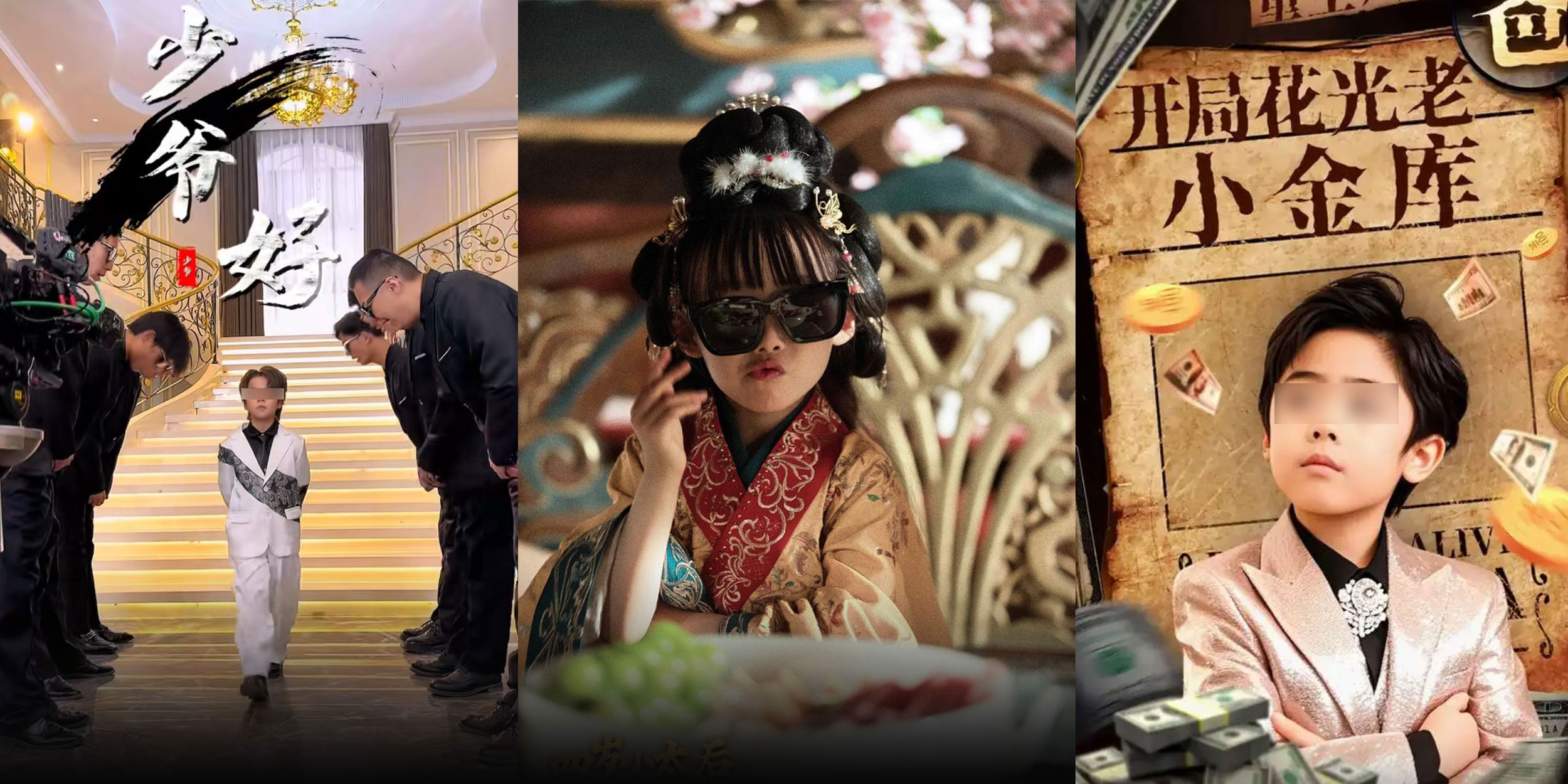
China Moves to Protect Child Actors in Viral Short Dramas
China has moved to tighten regulation of ultrashort online dramas featuring children in leading roles, as public concern grows over long working hours and storylines that place underage actors in adult situations.
The National Radio and Television Administration (NRTA) released new management guidelines Thursday targeting child-led ultrashort dramas, urging creators to curb what it described as the “adultification” and “exploitation” of child actors.
The new guidelines prohibit portraying children in adult roles or building plots around scheming, manipulation, or manufactured rivalries. Examples include casting children as “tyrannical CEOs” or centering stories on extreme bullying. They also bar depictions of manipulative child characters and narratives that promote negative values such as “fighting evil with evil.”
Producers are required to obtain written consent from guardians before children appear on set. The rules also prohibit luring families into paying exorbitant training fees and warn against turning children into “tools for satisfying adult fantasies and generating online traffic.”
The document encourages creators to produce content that is entertaining, educational, and grounded in real life. It emphasizes preserving innocence and sincerity, while warning against vulgarity disguised as artistic expression.
Child-led ultrashort dramas have surged in popularity over the past year on Chinese platforms, often pairing the youthful appearance of underage actors with exaggerated, adult-oriented character tropes such as war gods, time travel, or rebirth.
Parents, too, have been drawn to short dramas as a seemingly low-barrier entry point into the entertainment industry. Compared with traditional film and television, ultrashort dramas offer faster turnaround and lower production time.
However, the NRTA guidelines note that many child-led dramas increasingly borrow from adult entertainment plots centered on conflict, manipulation, and sensationalism — elements that do not align with children’s cognitive development or lived experiences.
Critics say such productions push children to speak and behave from an adult perspective. A commentary by state-backed Guangming Daily warned that prolonged immersion in adult-style dramatic conflict could blur the line between performance and reality for children still forming their sense of self.
Editor: Marianne Gunnarsson.
(Header image: Posters and screenshots of child-led ultrashort dramas. From Hongguo)