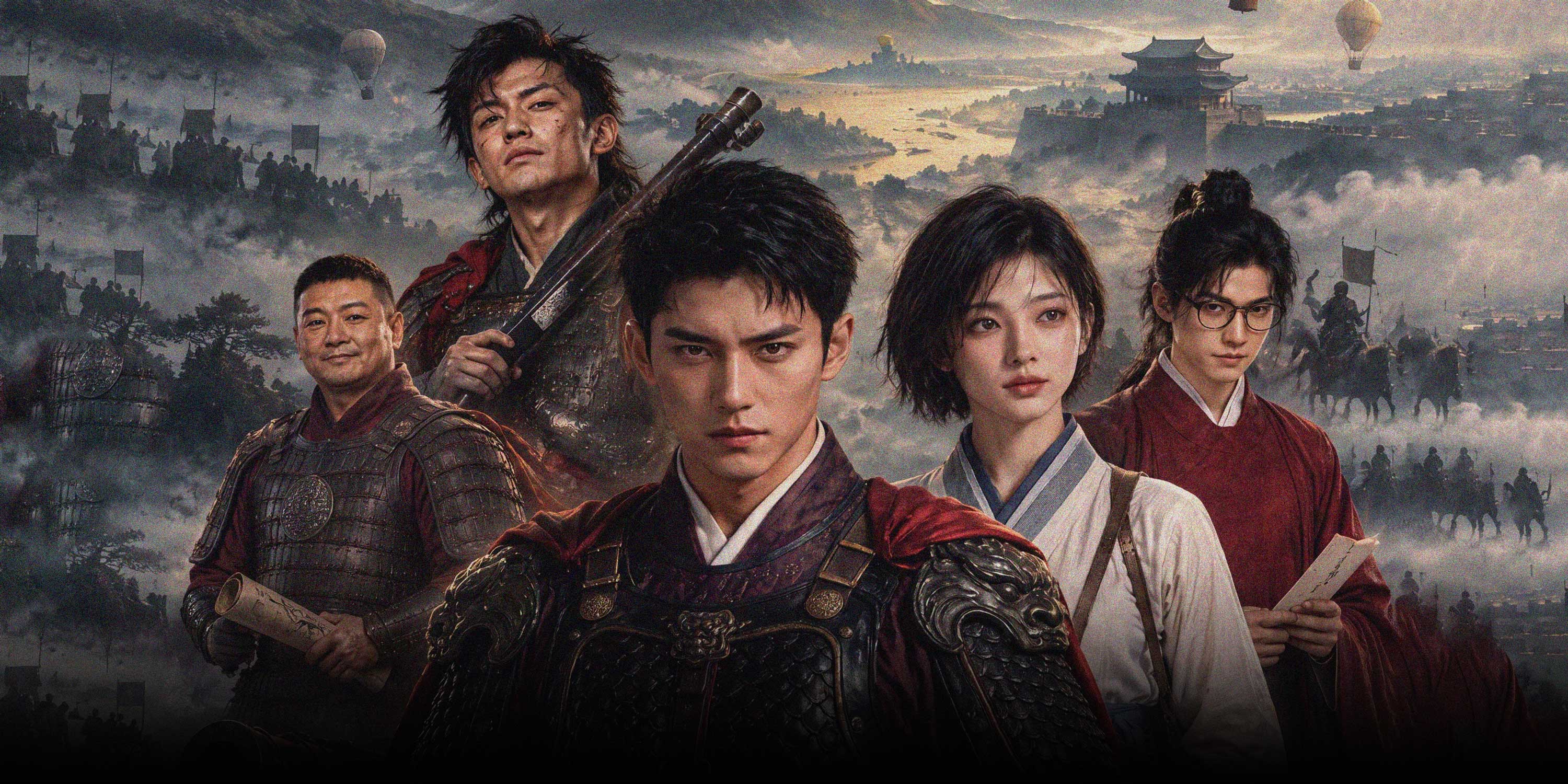
China’s Short Dramas See Quality Shift With AI-Made Historical Hit
An AI-generated short drama made by amateurs, including a former rideshare driver and a stay-at-home mother, has gone viral in China for its high production quality and historical accuracy, challenging the genre’s reputation for simple, brainless plots.
First released in August, “Armed Into the Song Dynasty” already has 10 seasons and comprises roughly 1,000 3-minute episodes. As of Thursday, the show has amassed over 12 billion views across platforms including Douyin, China’s version of TikTok, and streaming site Bilibili, local media reported.
In the first nine months of this year, 490,000 micro-dramas were released in China, 13 times more than in all of 2025. AI is also reshaping the micro-drama industry, with AI-generated productions now accounting for more than 90% of all such content, according to a report the National Radio and Television Administration released in October. The report also found that China’s short-drama audience had surpassed 600 million active monthly viewers.
Adapted from a web novel published in installments beginning this April by a writer under the pen name Chagen’er, “Armed Into the Song Dynasty” follows five modern-day soldiers who unwittingly travel back to the late Northern Song dynasty (960–1127), bringing their weapons and military expertise with them.
The late Northern Song period is a popular setting for Chinese time-travel fiction, as it offers viewers an alternative reality to the dynasty’s end, when invading Jurchen tribes captured two of its emperors — widely remembered as a national disgrace.
Fans have praised the drama’s carefully crafted script, elaborate fight scenes, and rounded characters who grapple with everything from the imperial examination system to weapons, food, and military equipment shortages during invasions by northern nomadic groups.
The historical details have prompted some viewers to look up Song-era official ranks, military organizations, and historical records and compare them against the drama’s depictions.
The production team behind “Armed Into the Song Dynasty” reportedly comprises six members — including a former pharmaceutical sales representative, interior designer, rideshare driver, stay-at-home mother, and wholesale business owner — who met during an online course on how to use AI to make short dramas.
Zhang Hansheng, 54, the production team’s head, told domestic media that the series has so far cost roughly 1 million yuan ($150,000) to produce, but declined to disclose the team’s earnings. However, rumors of hefty returns have drawn fresh attention to AI drama production, which many see as a potential source of new opportunities for grassroots content creators.
In the comments on a video interview with Zhang by the domestic outlet Yicai, some viewers said the project had inspired them to learn AI tools and try making dramas themselves. Others urged caution, noting the rise of scams disguised as AI-related courses.
The show’s success comes as the genre shifts toward higher production values. Until recently, short dramas were widely considered mindless entertainment defined by exaggerated interpersonal conflicts, formulaic characters, and implausible plots.
Recently, multiple AI short dramas exploring Chinese history have changed this perception. They include “Assuming a Noble Identity,” which premiered last year, and “Inkstone Edge Green Plum,” released this fall.
Critics, however, have called for tighter scrutiny of how AI-generated content depicts China’s past. Last year, China’s National Radio and Television Administration launched a campaign against AI-generated videos that alter or distort classic literary, film, and television works, particularly those based on historical, revolutionary, and heroic themes.
Editor: Marianne Gunnarsson.
(Header image: A poster for “Armed Into the Song Dynasty.” From Weibo)