Double 11 Looming, Chinese Shoppers Ask Strangers to Vet Their Carts
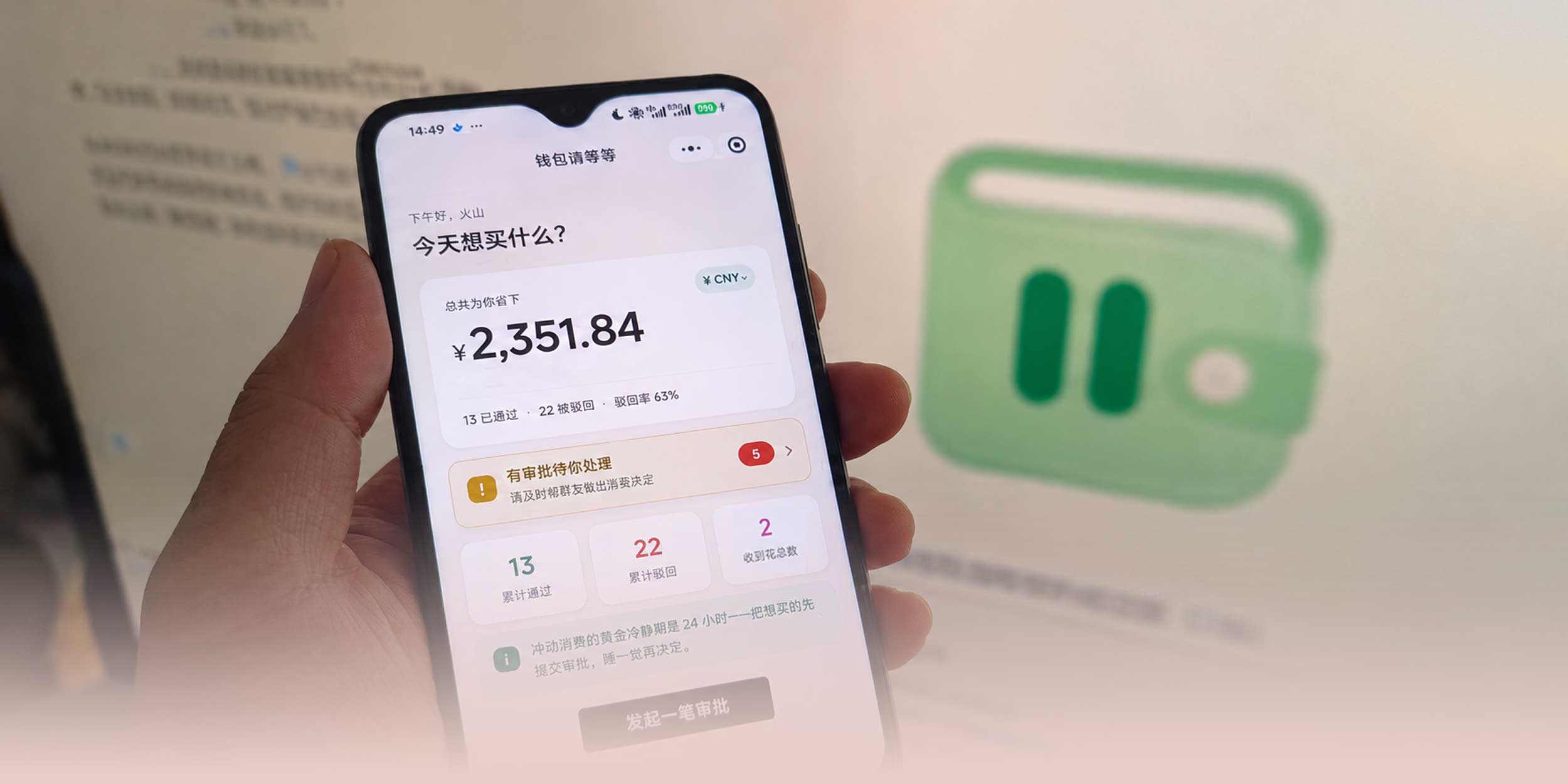
Applications aimed at preventing impulse purchases have soared in popularity during this year’s Double Eleven, the world’s largest shopping festival. The apps involve users listing the items they want, along with their prices, then sharing them with friends and strangers who vote on whether they should buy them.
Dozens of such mini-programs have sprung up across major platforms including WeChat and Alipay following the August success of the WeChat mini-program “Still Want to Buy?” (Hai Mai Me in Chinese), domestic media reported last week. Related hashtags have garnered tens of millions of views on Douyin, the Chinese version of TikTok, as of Thursday.
Domestic e-commerce giant Alibaba launched Double Eleven, also known as Singles’ Day, on Nov. 11, 2009, as a 24-hour shopping event. The festival has since grown to a monthlong event across all e-commerce platforms and begins around mid-October.
The trend comes as young Chinese consumers become increasingly money-conscious. According to a May report by Ireland-based consulting firm Accenture, 82% of the country’s Gen Z — more than 230 million people — have started saving money or cutting back on non-essential spending.
The rise in anti-impulse-buy apps dates back to the release of Still Want to Buy? in August. Created by a 29-year-old developer under the pseudonym Qiancheng, the app gained more than 75,000 daily active users within three days of its launch, and total registered users exceeded 500,000 as of mid-September. More than 85% of users are females under 24, Qiancheng told local media.
He said the tool came about after his girlfriend suggested using automated office purchase approval systems — which employees must go through to obtain authorization for work-related purchases — to govern shopping decisions. He added that he often personally feels regret after making impulse purchases.
“It’s difficult to make money nowadays, so I think it’s worth letting people we trust help us make better spending decisions,” Qiancheng said.
However, Still Want to Buy? was taken down on Oct. 31, reportedly due to targeted reporting from online trolls. Qiancheng told local media he is applying to have the mini-program relisted and is developing an independent app to expand the program’s function.
WeChat mini-program “Wait Up, Wallet” also offers similar features to Still Want to Buy?, but it allows users to seek advice from total strangers.
This October, Lin Yinjie, a 20-year-old college student from the eastern Fujian province, vibe-coded a similar app, the Alipay mini-program “Hold On a Sec.” The app lets users log items and prices and set a cooling-off period, during which friends help them decide whether to buy. So far, the program is mainly used by Lin and her friends and does not have a wide audience.
Lin told Sixth Tone that she used to place orders mindlessly while scrolling shopping apps and social media. “As a student on a tight budget, I know how easily the desire to buy things can quietly drain my wallet,” she said.
“A 9.9-yuan ($1.50) purchase seems insignificant, but before you know it, you’ve spent hundreds of yuan,” she said, adding that, “A lot of things I think I really want turn out to be things I no longer care about after a few days.”
Over the past week, Lin says her tool has helped her save over 80 yuan, which she used to buy a camera memory card instead. “It’s like trading ‘unnecessary spending’ for something I actually need,” she said.
Public reactions to the apps have been mixed. While many users report receiving practical advice through the mini-programs, others note an unfortunate side effect. “When I review other people’s requests, I end up wanting to buy the items myself,” one user noted on Douyin. “It’s turned into a product recommendation feed.”
Editor: Marianne Gunnarsson.
(Header image: Visuals from VCG and Weibo, reedited by Sixth Tone)