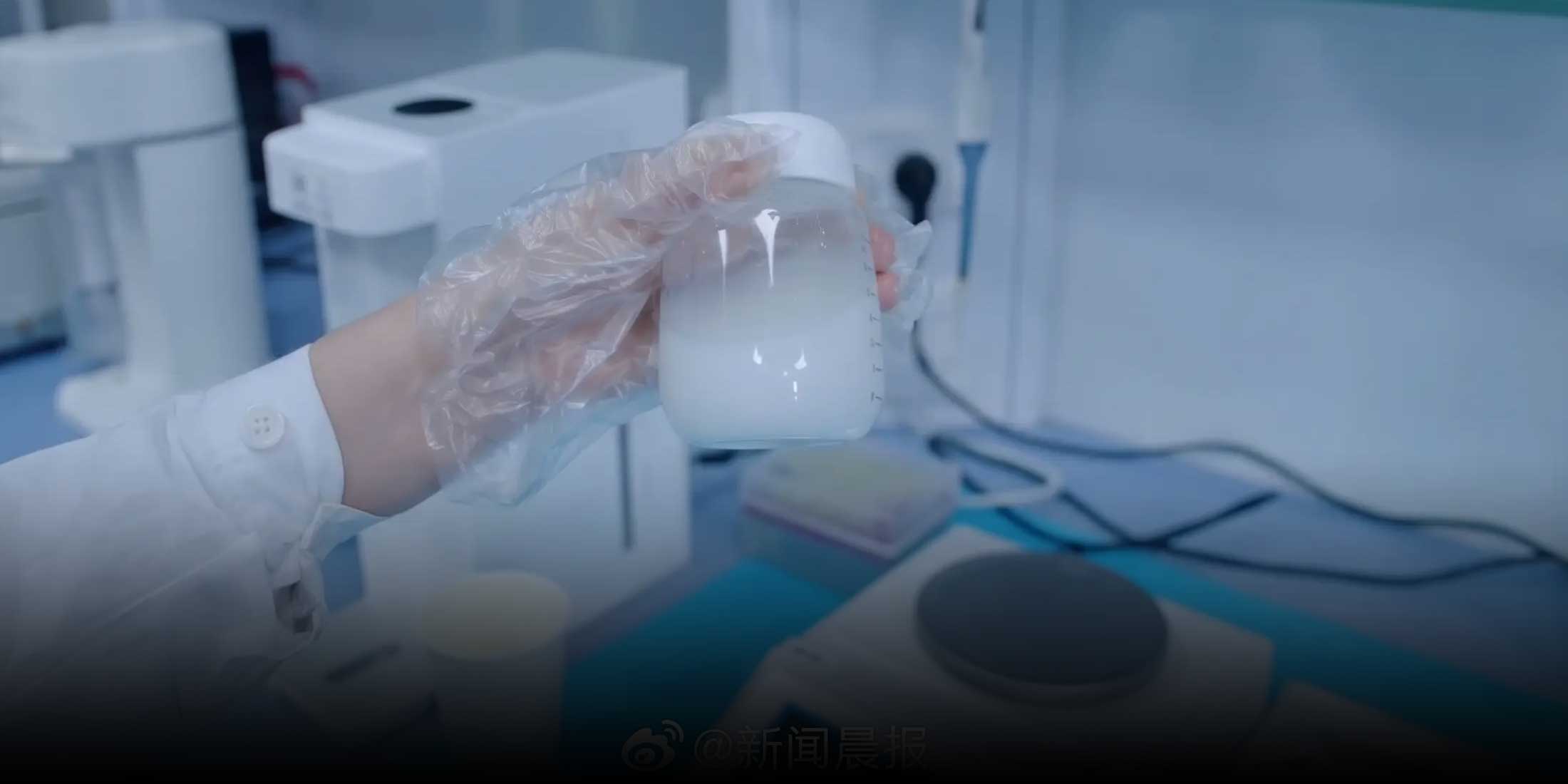
China Clears New Formula for Patients Who Must Limit Protein
China has approved its first domestically developed amino acid-based nutritional powder, designed to give patients with phenylketonuria (PKU) — a rare genetic disorder that affects metabolism of the amino acid phenylalanine — greater freedom in what they eat. Treatment of PKU requires lifelong dietary restrictions to prevent developmental disorders and brain damage.
The new formula officially entered the Chinese market on Oct. 30 and was jointly developed by Shanghai-based Xinhua Hospital, affiliated with Shanghai Jiao Tong University School of Medicine, the Shanghai Institute of Pediatric Research, and dairy producer Bright Dairy.
PKU affects about one in every 11,000 newborns in China, with an estimated 120,000 to 150,000 registered patients nationwide.
Due to a genetic defect, people with PKU cannot break down phenylalanine, an amino acid found in protein-rich foods. The resulting buildup can damage brain cells, requiring patients to follow a low-phenylalanine diet by cutting out meat and eating low-protein grains, while relying on milk powder-like formulas to supplement the other amino acids they need.
Earlier formulas contained 30% to 60% amino acids, with the rest composed of fats, carbohydrates, and other nutrients.
“As patients grow older, they need more protein. That means consuming more of these formulas, which also means taking in more fats and carbohydrates, increasing the risk of obesity,” Cai Wei, director of the Shanghai Institute of Pediatric Research and leader of the research team, told domestic media.
In contrast, the new formula contains 95% amino acids, allowing patients to meet their amino acid needs without consuming as much fat or as many carbohydrates, and giving them more freedom to enjoy other normal low-protein foods.
Zhuang Yingying, a 33-year-old PKU patient, told domestic media that patients previously relied heavily on imported products, and overseas supply disruptions were common. Special low-protein foods such as rice and noodles cost five to 10 times as much as regular varieties.
The formula, designed for PKU patients aged 1 and older, could save some families more than 1,000 yuan ($140) a month, according to domestic media.
Domestic PKU formulas have existed for decades, but long faced hurdles in gaining regulatory approval in China, partly because of gaps in national standards for food-grade amino acids, according to a 2020 report by domestic media outlet China Times. High registration costs and the small patient population have also discouraged manufacturers from entering the market.
China approved its first PKU medical formula in 2018, an imported product, while the first domestically produced formula received regulatory approval in 2025.
Since 2018, some parts of China, including Shanghai and neighboring Jiangsu and Zhejiang provinces, have introduced public health insurance coverage for foods formulated for PKU patients. In Shanghai, annual coverage ranges from 8,000 yuan for infants under 1 to 12,000 yuan for patients over 10.
Development of the new formula began in 2024 and received regulatory approval in September 2026. The research team has also worked with companies to develop everyday foods for PKU patients, including noodles, steamed buns, cookies, and mochi.
Editor: Marianne Gunnarsson.
(Header image: From the Shanghai Morning Post)