Too Many Cooks: China’s Culinary Titles Face a Credibility Test
China’s industry associations are revoking hundreds of honorary designations that have increasingly been used as marketing tools.
In late July, the China Cuisine Association announced that all previously awarded titles — including “Chinese Culinary Master” and “Chinese Catering Service Master” — along with related certificates and uniforms, were now invalid. The association also revoked all honorary designations awarded to cities — such as the “capital of” and “hometown of” certain dishes. Local governments are now officially barred from using them in any form of publicity.
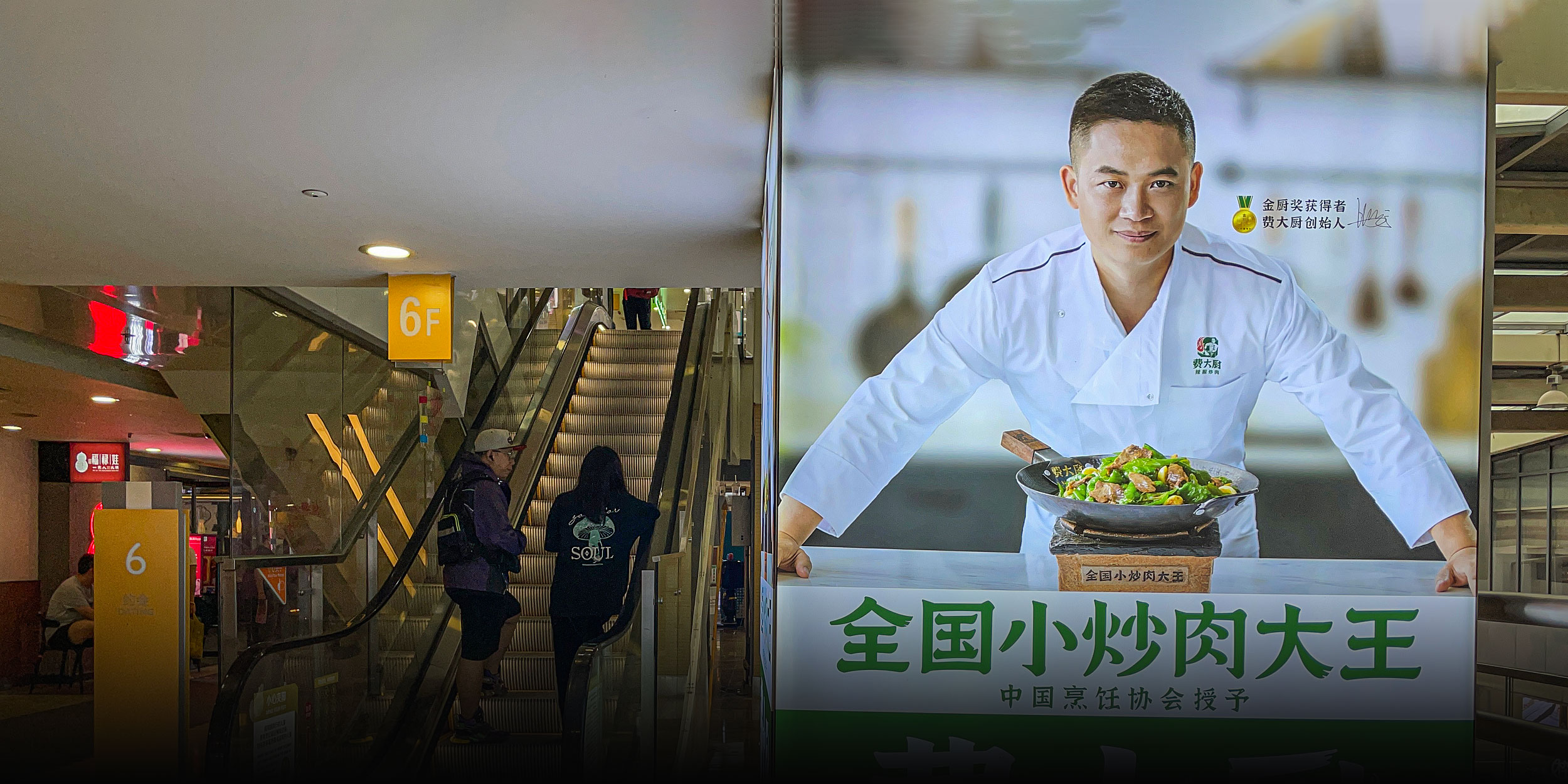
The revocation of the titles triggered renewed interest among social media users. This week, they questioned the reliability of the “National Stir-Fried Meat King” title awarded to restaurant chain Chef Fei, or Feidachu, after discovering it was conferred following an online public vote on photos and videos submitted by contestants.
The title has not yet been revoked, though, in response, the China Cuisine Association said they will “communicate after reviewing relevant materials,” domestic media reported.
Originally intended to recognize exceptional craftsmanship, “master” titles were once rare state honors. But in the early 2000s, industry associations across the tea, ceramics, and jewelry sectors, and many others, began creating their own titles, allowing businesses to charge a premium by creating the perception of higher-quality products and services. However, numerous shadowy practices also emerged around the honors, including honorary title certificates being openly sold on e-commerce platforms.
Since the beginning of this year, at least a dozen national and local industry associations covering sectors ranging from cosmetic surgery to jade carving and wedding services have revoked or abolished previously-conferred honorary titles containing words like “master.”
An increasing number of industry associations began nullifying their own honorary titles after the Social Work Department of the Communist Party of China Central Committee and the Ministry of Civil Affairs jointly released new guidelines on governing social organizations’ awards and commendations in mid-July.
The guidelines, which took effect on Aug. 1, imposed stricter eligibility requirements on organizations seeking to present awards. It also prohibits organizations from charging fees for recognition programs or partnering with, or outsourcing such activities to, for-profit entities.
China has gradually tightened oversight of awards and commendations organized by social organizations over the past decade, with its first regulations governing the practice taking effect in 2012.
Restrictions were tightened further in 2018, when award programs using national designations such as “China,” “Chinese,” and “national” became subject to stricter controls. In 2022, authorities required organizations seeking to launch honorary recognition programs to hold at least a 4A rating, the second highest on the country’s social organization rating scale.
Lu Zhen, a lawyer at the Shanghai office of Beijing-based Hylands Law Firm, told local media that rather than eliminating professional evaluations altogether, the regulations are intended to draw a clearer distinction between professional qualifications and commercialized honorary awards.
Editor: Marianne Gunnarsson.
(Header image: An advertisement for restaurant chain Chef Fei, or Feidachu, at a shopping mall in Beijing, May 23, 2024. VCG)