Chinese Village’s Viral Cicada Harvest Comes Under Fire
In an eastern Chinese village, harvesting cicada nymphs for consumption has evolved from a seasonal tradition into a lucrative side business for farmers, fueled by a local official’s livestreaming business. But critics are questioning whether the trade is flourishing at the expense of local ecosystems.
This summer, Liu Lei, a village official of Dongjiezhuang Village in the eastern Shandong province, began selling wild cicada nymphs through livestreaming, sourcing the insects from locals. In the past week, he has come under fire online, with social media users citing environmental concerns.
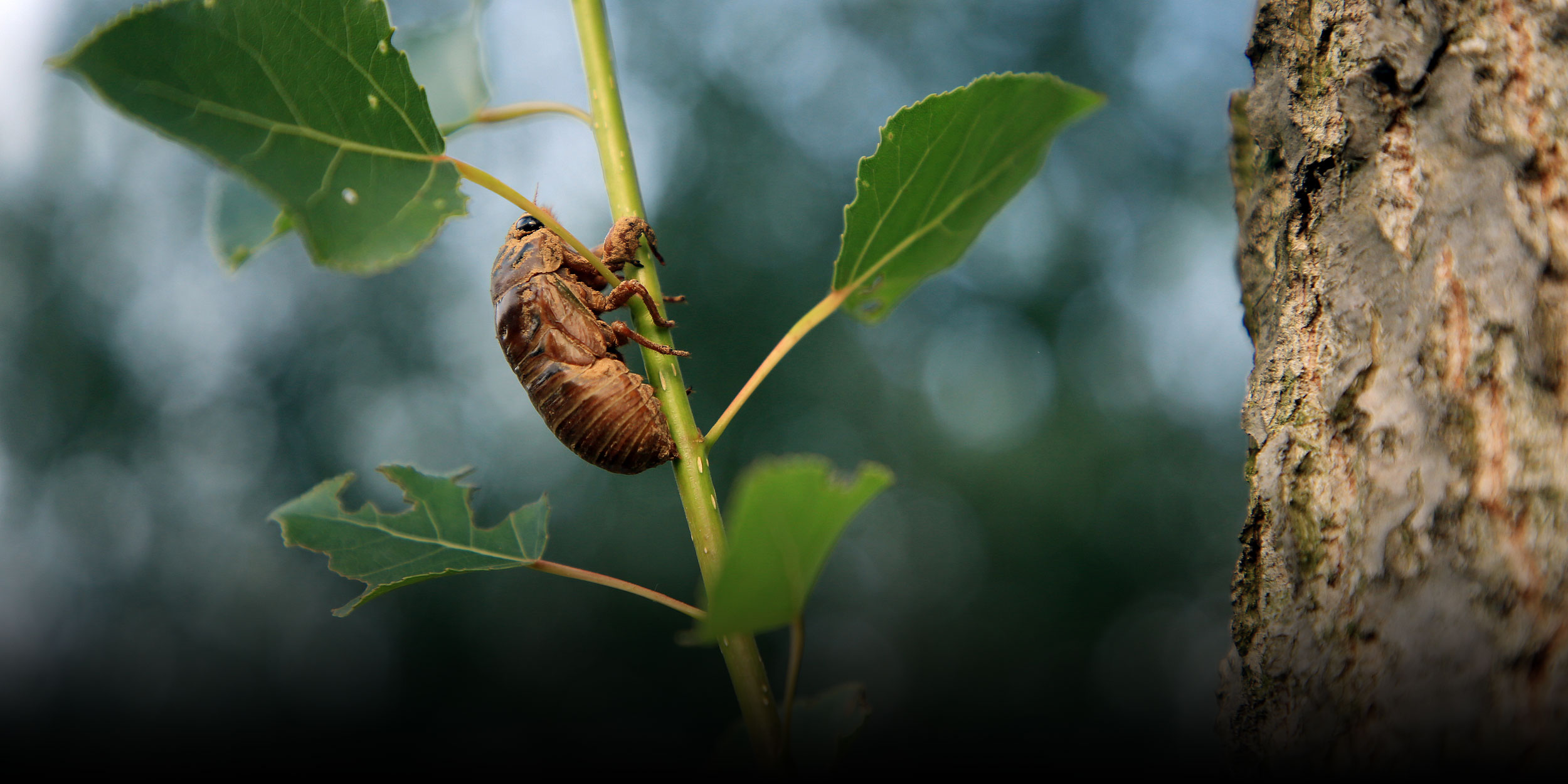
Known in Chinese as zhiliaohou, or “cicada monkeys,” nymphs — immature, wingless cicadas who emerge after three to five years feeding on plant matter underground — have long been considered a summer delicacy in northern and eastern China. Historical texts, including the sixth-century agricultural encyclopedia “Qimin Yaoshu,” describe consumption of the insects in the region.
Liu, one of a growing number of village official influencers, markets local specialties and agricultural products such as honey and peaches on Douyin, the Chinese version of TikTok, to boost the local economy.
Liu’s videos show villagers — largely seniors — going out each night at dusk, armed with flashlights and plastic bags, to search for the insects in the nearby forest. They then sell their collections to Liu at a designated point in the village for extra income. Each cicada sells for around 1 yuan ($0.14).
One 60-year-old local said he had caught more than 200 cicada nymphs in a single night. “I usually don’t eat them myself. One cicada nymph is priced higher than an ear of corn,” he said.
Liu’s actions have triggered debate online. While some support him for bringing in income for farmers, others argue that livestreaming has transformed a long-standing tradition into a commercial rush. Experts also warn that large-scale collection could threaten biodiversity and disrupt local food chains.
In an interview with local media, Liu said villagers have harvested cicada nymphs for decades without damaging the environment. “We have a tradition of only collecting nymphs that have just emerged from the soil,” he said. “Once they’ve molted into adult cicadas, no one catches them because they are no longer edible.”
Although Cryptotympana atrata, the preferred cicada species being collected, is not nationally protected, entomologists warn that large-scale population decimation could still affect local ecosystems.
Zhao Li, curator of the Insect Museum of West China in Chengdu, capital of the southwestern Sichuan province, told local media that cicadas help recycle nutrients in forests and provide food for birds and other wildlife. Their shed exoskeletons, Zhao added, are also widely used in traditional Chinese medicine.
Authorities have attempted to curb the collection of cicadas in some regions. In 2024, forestry officials in Tongchuan, a city in the northwestern Shaanxi province, warned against unauthorized harvesting of cicadas in forests and protected areas, stating that large-scale collection could damage vegetation, increase wildfire risks, and violate forestry regulations.
Specifically addressing the Dongjiezhuang Village case in a video posted to Douyin, Li Mingli, chairman of agricultural brand consulting firm Beijing Fangyuan, noted that, “Livestream traffic can amplify demand far beyond what unwritten local customs can regulate.”
Li suggested that instead of harvesting wild cicadas, the village could build a cicada farm, providing locals with a more stable source of income while reducing pressure on wild populations. He added that local authorities could also introduce collection quotas and rotate harvesting areas.
Editor: Marianne Gunnarsson.
(Header image: VCG)