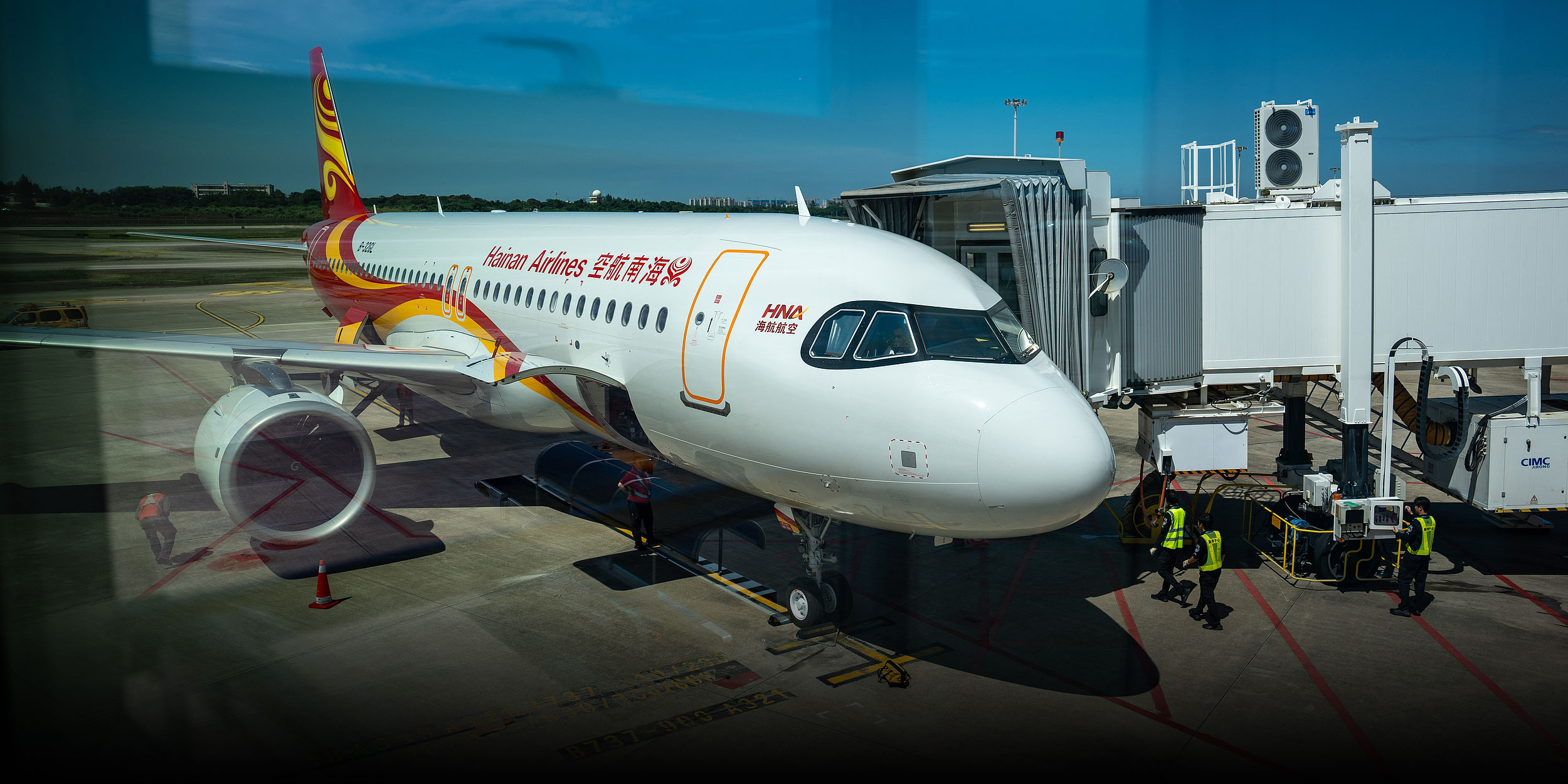
Student Sues Chinese Airline After 10-Minute Flight Change
A 19-year-old university student has taken China’s Hainan Airlines to court after his flight was moved forward by 10 minutes. The airline has since agreed to cover the accommodation costs he incurred as a result of the change and to revise its related policies.
In a series of posts from March to June on lifestyle platform Xiaohongshu, also known as RedNote, Hu Dongcheng, a freshman at the Guangdong University of Finance and plane enthusiast, said he had booked a Hainan Airlines flight from the southern Chinese city of Shenzhen to Hohhot, capital of the Inner Mongolian Autonomous Region, scheduled to depart at 7:40 a.m. on April 3. A week before departure, the airline informed him that the flight would instead leave at 7:30 a.m. for “operational reasons.”
Hu said that after the airline refused to issue a free ticket change or reimbursement, he booked a hotel near the airport the night before to ensure his timely check-in, spending 100 yuan ($15). He also requested that the airline cover his hotel fee, but was denied, leading him to file a lawsuit against the airline on March 27, seeking compensation for both the hotel and a 50 yuan court filing fee.
China’s regulations on passenger services in civil aviation require airlines to assist passengers in the event of ticket changes. However, airlines often determine their own thresholds for when free changes or compensation apply.
In response to the lawsuit, Hainan Airlines told Hu that a 10-minute change fell within the normal range of flight schedule adjustments. The airline cited its policy that passengers are eligible for free ticket changes or refunds only when a flight is moved forward by more than 15 minutes.
Hu said that he believed the airline’s rules were unfair: passengers who arrived late would be considered in breach of contract and have their tickets invalidated. In contrast, the airline could unilaterally change the time without bearing any corresponding responsibility. “I believe (holding airlines accountable) is my responsibility as a flight enthusiast,” he wrote in a post on June 22.
On May 22, Hainan Airlines agreed to cover Hu’s accommodation costs in full. On May 30, the airline promised to revise its refund policy for flights pulled forward by July 30.
Hu said the issue was not the amount of money involved but whether passengers should bear the inconvenience caused by airlines’ schedule changes. He argued that even a small adjustment can have a significant impact on travelers relying on public transportation and carefully planned itineraries.
According to domestic media, other domestic airlines have revised their own policies in the wake of Hu’s lawsuit. In early June, Tianjin Airlines and Spring Airlines removed their 15-minute forward-schedule threshold, stating that as long as the airlines themselves are responsible for the schedule change, passengers can request a free reschedule or a full refund.
Beneath Hu’s Xiaohongshu posts, many praised his courage and effort.
“Airlines are hard to argue with, and unresolved disputes are often left for passengers to appeal,” one user wrote. “But many people give up because of the long and troublesome procedures and simply accept the unfair treatment.”
Editor: Marianne Gunnarsson.
(Header image: VCG)