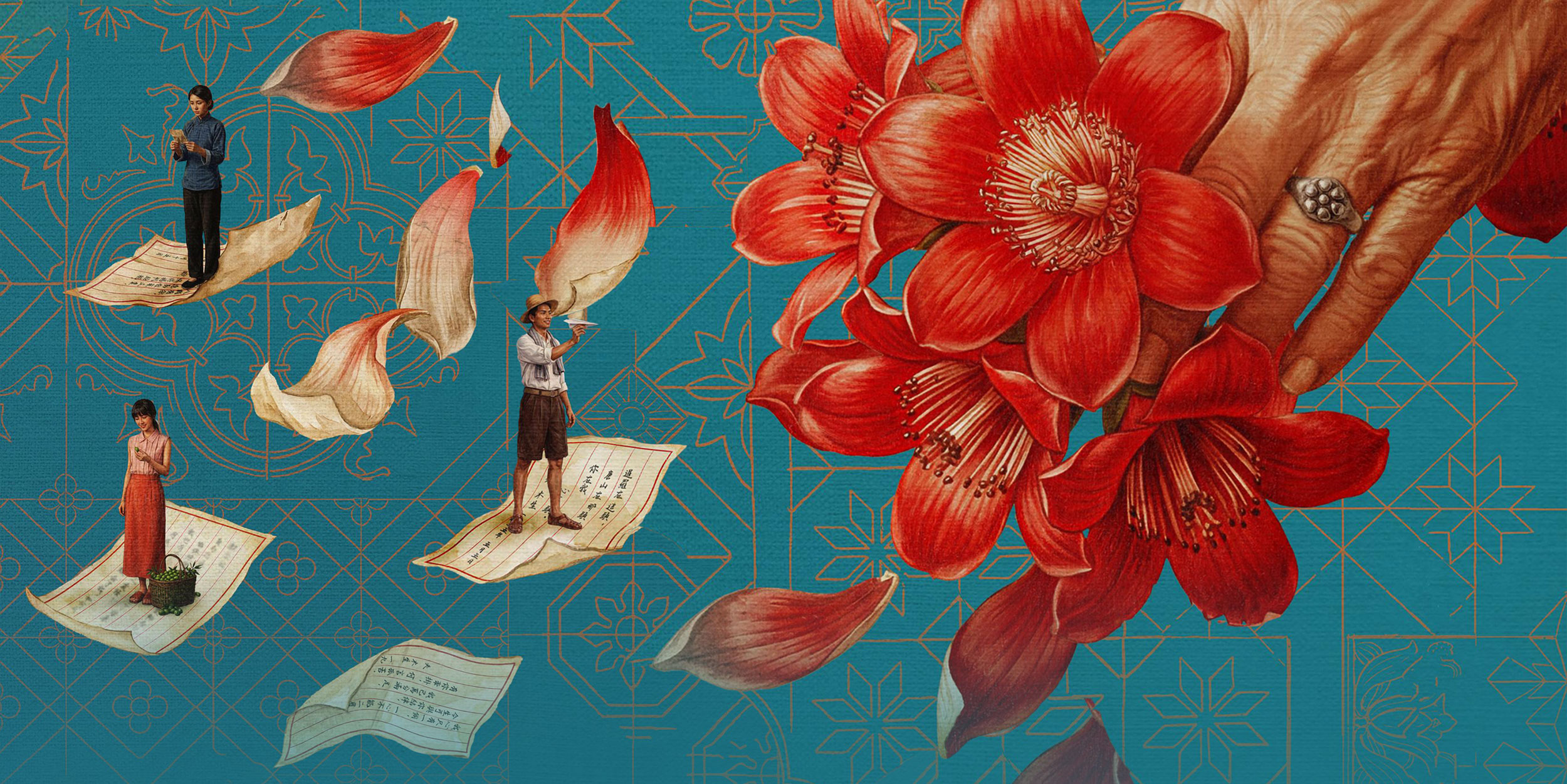
An Indie Drama About Leaving China Finds an Audience at Home
A Chinese indie film about emigrants from southern Guangdong province’s Chaoshan region, and filmed almost entirely in the local Chaoshan dialect, has become an unexpected hit at the domestic box office.
“Dear You,” of which the Chinese title translates to “Love Letters to Grandma,” premiered on April 30 in Chaoshan, before gaining national attention this week. The film has earned a total box office revenue of 143 million ($19 million) as of Monday and is expected to reach 300 million yuan by the end of its theatrical run on June 11, according to ticketing platform Maoyan.
The film has racked up a sky-high average rating of 9.1 on the Chinese review platform Douban — the highest among all films screened in China so far this year.
Featuring a largely novice cast, the drama begins in the 1940s and tells the story of a Chaoshan family from the perspective of the family’s grandson. The family’s matriarch, Ye Shurou, is left to raise three children alone after her husband, Zheng Musheng, joins millions of others from the region who emigrated to Southeast Asia in search of work and opportunities — a historical event known as xia nanyang, or “going down to the Southern Seas.”
Central to the story are qiaopi — letters and remittances sent by emigrants back to their families in the 19th and 20th centuries, serving as both a vital source of income and a spiritual lifeline. The practice was added to UNESCO’s Memory of the World Register in 2013.
Despite years of correspondence, Zheng never returns, and Ye eventually receives a photograph of him with a new family in Thailand, ending her hope for reunion.
Decades later, their grandson travels to Thailand in search of Zheng, only to find that his grandfather had long since died there, and that Xie Nanzhi, the daughter of a hotelier whom Zheng had saved from a fire, had been corresponding with the family in Zheng’s name for 18 years.
The film is deeply rooted in Chaoshan culture, featuring rich depictions of local traditions such as Gongfu tea and Yingge Dance, known for its colorful face paint and drum performances.
Lan Hongchun, the film’s director, told domestic media that the film is also an ode to the strength of women in the region. For example, he said Ye and Xie, the grandmothers depicted in the film, weren’t based on any specific people; rather, they emerged from the familiar faces and traits of those closest to him. Whenever Lan had to decide how a character would act in the moment, he said he would ask himself, “If this were my own grandmother, how would she act?”
Reviewers on Douban have praised the film for its positive portrayal of local culture and traditional family bonds. “In an age marked by conflict and fading connections, the film poured into my heart like a pure ray of light,” wrote one user.
“The loyalty and ties between the characters create a kind of utopia for me. The bonds between fathers and daughters, spouses, close friends, and fellow townspeople are all deeply moving and noteworthy,” commented another.
Editor: Marianne Gunnarsson.
(Header image: A promotional image for the film “Dear You.” From Douban)