China Hits Top Platforms With Record Fine Over Fake Cake Orders
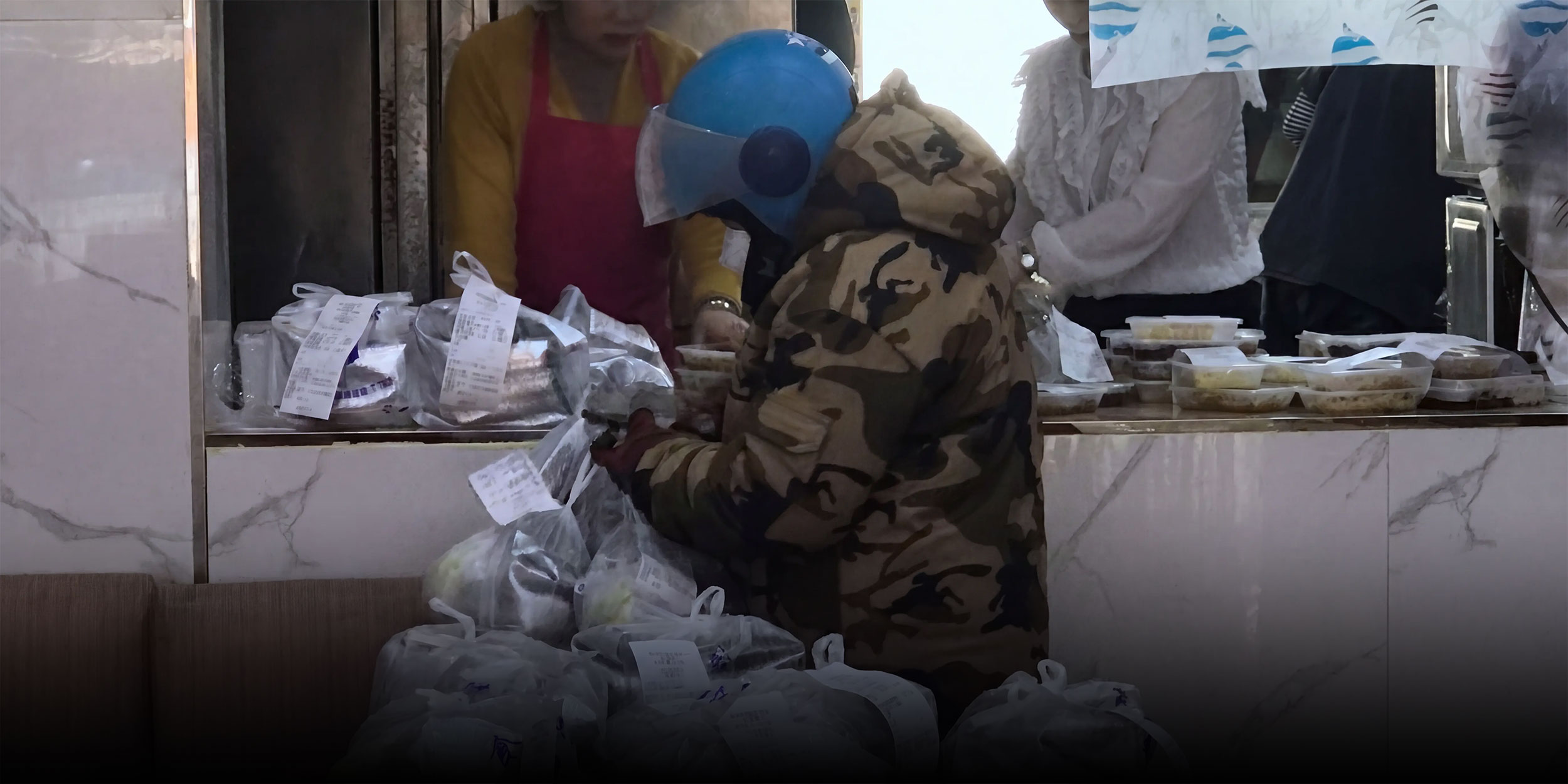
Seven of China’s largest e-commerce platforms have been fined a record 3.6 billion yuan ($494 million) for allowing “ghost kitchens” to sell millions of fake cake orders. The penalty is the largest since the national Food Safety Law took effect in 2009 in the wake of the 2008 Chinese milk scandal.
Ghost kitchens — virtual eateries with no physical presence — have long been a problem in China, with authorities stepping up oversight in recent years. This February, the country issued a new policy mandating that merchants operate from a distinct location and that platforms disclose to customers which stores offer only takeout.
The penalty targets seven major platforms — Pinduoduo, Meituan, JD.com, Ele.me, Douyin, Taobao, and Tmall. Announced April 17 by the country’s top market regulator, it is accompanied by additional fines totaling 19.69 million yuan imposed on the platforms’ legal representatives and food safety directors. New bakery registrations on the platforms will also be suspended for three to nine months.
Using seven task forces — one for each platform — authorities uncovered a sprawling black-market network of more than 67,000 ghost kitchens around the country, an unspecified number of which processed over 3.6 million fraudulent cake orders.
The investigation began last July, when a Beijing resident filed a complaint with the city’s market regulator about non-food-grade flowers on a six‑inch cream cake he purchased from the shop “Tian Yan Qing Shu” via a major e‑commerce platform.
Authorities investigating the case discovered that all 378 Tian Yan Qing Shu outlets nationwide lacked physical storefronts and that their food business licenses were forged. One fake license number appeared 10 times across different regions.
Going undercover as customers, enforcement officers purchased cakes for tracking and discovered sellers were using the app Zhuandanbao — an order-rerouting platform — to forward orders to potential bidders. The lowest bidder would then fulfill and deliver the order, receiving approximately 20% of the original order price, with the majority going to the ghost kitchen. The hosting e-commerce platform also took a cut, while a small fee went to Zhuandanbao.
While not illegal on its own, Zhuandanbao’s auction system allows ghost kitchens to facilitate illegal subcontracting and enable fraud. Sixth Tone found on Tuesday that the app was no longer available for download.
The investigation also exposed a lack of proper licensing and untraceable food safety practices due to the outsourcing of orders.
According to domestic media, the seven platforms had signed cooperation agreements with order-rerouting platforms — without disclosing this to consumers — despite being aware that such practices infringed upon consumer rights.
“The biggest challenge was penetrating the data barriers of these large platforms,” Lou Sihan, a staff researcher at the State Administration for Market Regulation, told domestic media. He said that the platforms held vast, fragmented data, with some deliberately obstructing access and encrypting information to hide violations.
Some platforms also attempted to resist the investigation, citing excuses such as “system upgrades” or “no local data backups.” A Pinduoduo employee even challenged the authorities’ legal jurisdiction, reportedly shoving and deliberately shutting a door on enforcement officers when they attempted to enter one of the platform’s offices, leaving one officer with a fractured finger and ankle injury.
When the task force, along with local law enforcement, confronted the platform about the violence, a Pinduoduo employee held up a paper with the words “silence” and “don’t speak” to another employee during questioning. Upon discovery, the employee crumpled the paper into a ball and ate it.
The seven platforms issued statements on the same day the penalties were announced, saying that they accepted the verdict, would implement corrective measures, and are committed to enhancing review systems and combating illegal activities.
“To my knowledge, this is the first time the principal leaders of platforms have been fined in the administrative regulation of online food delivery,” Que Zibing, an associate researcher at Renmin University of China, told domestic media. “This type of ‘piercing’ regulation helps create a strong deterrent against platforms tolerating ghost delivery operations.”
Editor: Marianne Gunnarsson.
(Header image: VCG)