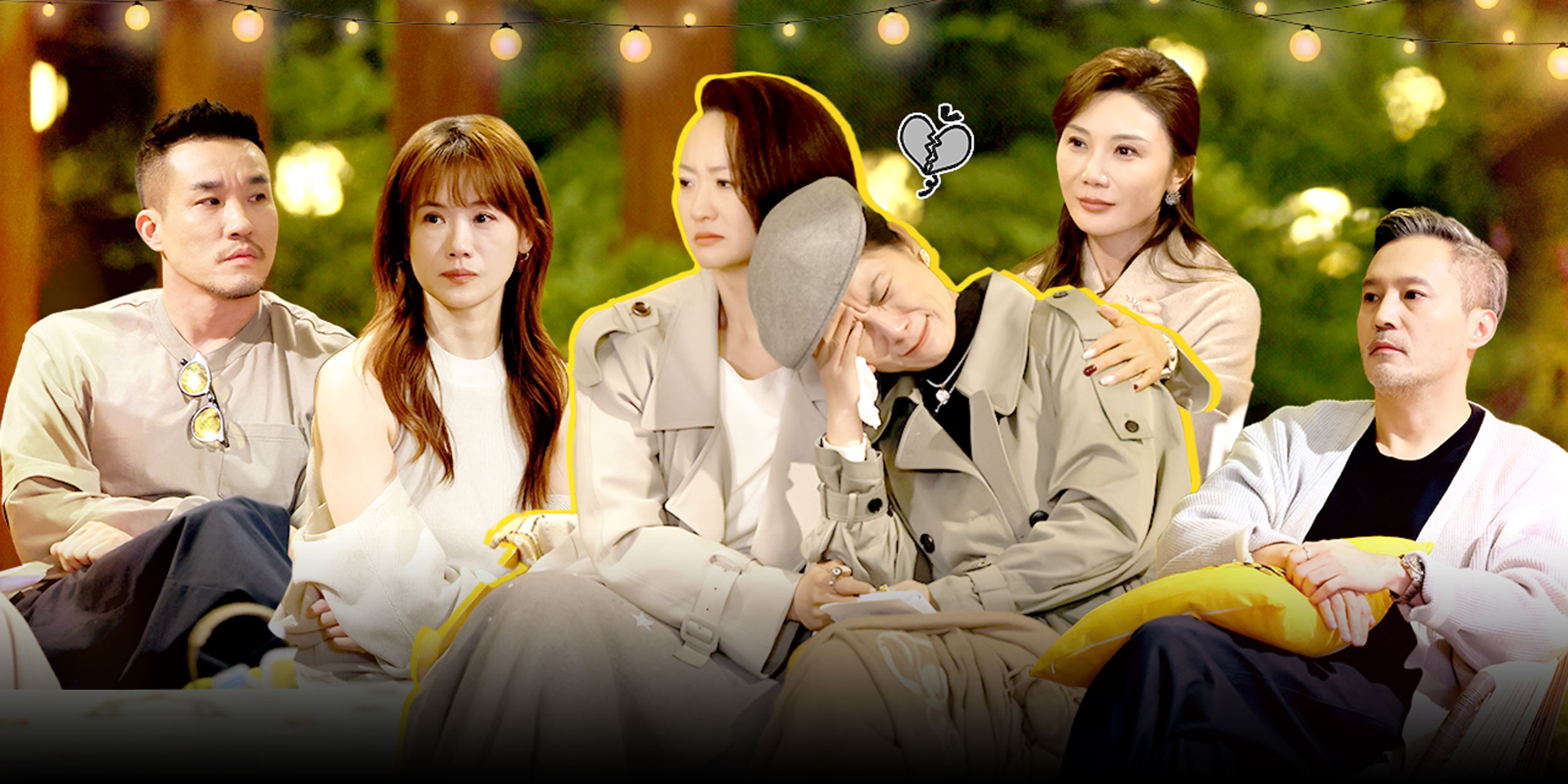
China’s Surprise New Hit Is a Dating Show for Middle-Aged Singles
“Would you like to meet me?” Wang Yan, 47, asks into a walkie-talkie.
Dozens of meters away in a sunflower field in southwestern China, Liu Yugang — a divorced father in his 50s — answers without hesitation: “Yes, I would.”
The two have never spoken. Armed only with a name, a photograph and a brief profile, they choose each other from a distance and step aside for their first date. They trade stories, laugh easily and sketch a cartoon portrait of themselves together. Liu jokes that it looks like a wedding photo.
By nightfall, Wang chooses someone else.
The twist is built into “Forever by Your Side,” a dating show that has surged to the top of Chinese streaming charts since December. In a genre typically dominated by people in their 20s, the series centers on contestants in their late 40s and early 50s — many divorced, some with children, all carrying decades of lived experience.
Dating shows for older people in China have long been blunt and transactional, with contestants openly weighing pensions, property, and health in their search for stable, long-term partners. Sexual health can come up too, including women asking men whether they’re “still okay.”
But in “Forever by Your Side,” contestants live together and talk about emotions, compatibility, and connection, echoing the format of youth-oriented dating shows while shifting the focus to midlife.
Filmed over fifteen days in scenic backdrops in southwestern China’s Dali and Phuket in Thailand, the show sends pairs on themed dates. One day they’re asked to “imagine they’re eighteen again.” Another, friends and relatives arrange the outing. They may even be handed a 100-yuan ($15) budget and left to make it work.
Each night, contestants write messages to their crushes and seal them in glass bottles left in a nearby body of water. In the morning, guided by the production team, they retrieve bottles addressed to them. Some receive messages every day, others go days without a single note.
The show’s popularity quickly spilled onto social media, where contestants share snippets of their daily lives as well as behind-the-scenes moments that didn’t make it into the show. On Xiaohongshu, the lifestyle app also known as RedNote, a hashtag for the series had more than 450 million views and nearly 1.2 million posts as of publication. Some fans post AI-generated images of their favorite couples or reframe contestants as ideal bosses, coworkers or friends. Others pile on those they dislike, calling them “two-faced” or “emotionally unavailable.”
Many viewers, however, say the appeal is more about the show’s recasting of middle age. “I really like your personality and how you carried yourself on the show. Life at 50 really has depth — graceful, always being yourself, and treating others well,” one Xiaohongshu user commented.
Chen Yushan, a 20-year-old student in Shanghai, discovered the show on social media and was hooked within a week. Her main draw, she said, was “shipping” — slang for rooting for two people to end up together — couples. She’s especially invested in Wang Xuelei and Wang Zichun, two introverts in their 50s whose quiet dinner scene pulled her in. Now she follows both on social media, reading into whether their on-screen chemistry is real.
“I never imagined I’d be so invested in shipping people over 50,” Chen told Sixth Tone. She finds this format more engaging than youth-focused dating shows. “(The older contestants) seem more genuine because they truly value companionship,” she said. “It’s also about the courage to chase an ideal life, even in later years.”
Tai Qi, a nationally certified marital and family counselor, said the show’s appeal for younger viewers lies partly in its travel-show aesthetic and partly in the novelty of seeing older adults’ relationships. “By revealing how their parents’ generation expresses love, it lets young viewers imagine their own futures,” he said.
Tai noted distinct differences in emotional expression between generations. “Younger people tend to be more idealistic: emotion comes first, and problem-solving later,” he said. “Older individuals, having experienced marriage and child-rearing, incorporate more rational, practical considerations …while still retaining some of that idealism and emotion.”
Beyond romance, Tai said the older guests bring practical considerations, a clear sense of responsibility, and calm conflict resolution, reminding audiences that lasting relationships are built on commitment and effort, not just chemistry.
“All relationships come with ups and downs. Understanding this helps young people navigate their own emotional struggles with greater maturity and resilience,” he said.
For some viewers, the takeaway is more personal. At 32, Shanghai resident Zhou Wenna felt stuck in a downward spiral. Work kept piling up, her hair was graying rapidly, she was gaining weight, her child was acting out, and her husband felt distant. “What’s the point of marriage?” she recalled asking herself.
Then she started watching the show. It wasn’t the romance that moved her, but their resilience. “They’re in their fifties and some are divorced, yet they wake up each day to exercise, show up, and believe in love,” she said. “It hit me. Maybe your 50s are the prime time to fall in love. I don’t fear aging like I used to.”
Older viewers have tuned in too. Sun Xiaoyan, a 63-year-old retired engineer in Shanghai’s neighboring city of Suzhou, started watching the show at her daughter’s recommendation and now follows it regularly with her.
She pays close attention to whether male contestants are polite and “willing to do household chores,” traits she considers important and links to upbringing. While the show’s portrayal of midlife romance rings true to her, Sun said that the 50-somethings on screen are far more direct and assertive than those of her generation.
Sun hopes to see more programs that treat older people as full characters, showcasing their skills, emotions, and life stories.
For Chen, the student, the show has reshaped how she thinks about relationships and time. “I realized that older people also actively express their feelings, pursue romance, and even take up hobbies like cycling and traveling,” she said. “Even if people have experienced setbacks in love or have children, they can still chase happiness.”
Editors: Marianne Gunnarsson and Apurva.
(Header image: A promotional image from the dating show “Forever by Your Side.” From Xiaohongshu)