Shanghai Moves to Expand Labor Rights, Family Leave, Health Care
From social insurance for gig workers to longer paternity leave and tighter oversight of medical tourism, Shanghai lawmakers pushed for broader protections across work, family life and health care at the city’s annual Two Sessions meetings.
Known in Chinese as lianghui, the Two Sessions bring together the Shanghai People’s Congress and the Chinese People’s Political Consultative Conference’s Shanghai committee.
The meetings review the past year’s performance and set policy priorities for the year ahead. At the local level, proposals adopted in Shanghai can later inform national policymaking at the national Two Sessions, convened each spring in Beijing.
Here are some of this year’s key takeaways from Shanghai.
Gig workers and social insurance
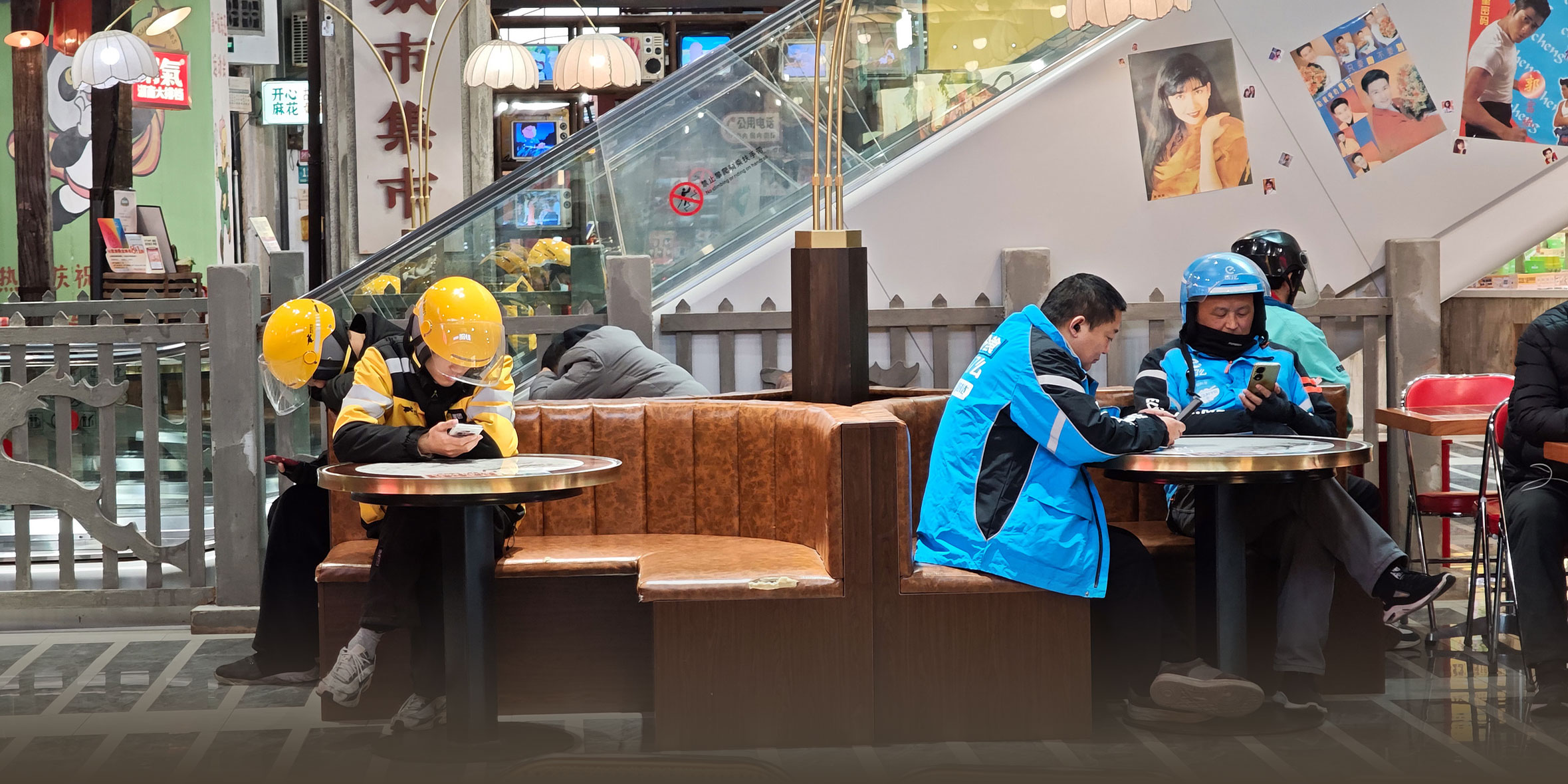
Li Feng, a Shanghai People’s Congress deputy and manager at a local manufacturing company, called for improvements to social insurance coverage for outsourced workers, who have become an important supplement to China’s labor force.
Among them, more than 10 million food delivery riders now underpin a nationwide logistics network. While major e-commerce platforms such as Meituan and JD.com have pledged since 2025 to expand social insurance coverage, many riders remain employed through third-party agencies, leaving gaps in labor protections.
Li proposed standardized outsourcing contracts to clearly define employer’s social insurance contributions and urged tighter oversight of major delivery and courier platforms. He also called for a government-run complaint and arbitration channel for outsourced workers, along with stronger legal education to improve awareness of labor rights.
Medical tourism
As China attracts more overseas patients seeking faster and more affordable care, several proposals focused on improving safety and standards in traditional Chinese medicine (TCM).
Zhong Liwei, a Shanghai CPPCC member and vice president of Shanghai University of Traditional Chinese Medicine, called for stricter official verification of TCM service providers and products, as well as stronger regulation of misleading or unscientific health claims online.
Feng Yu, a Shanghai People’s Congress deputy and director of the Shanghai Pudong New Area Hospital of Traditional Chinese Medicine, also proposed building a TCM tourism zone in Xinchang Ancient Town, a historic town in southeast Shanghai. The zone would offer certified services such as acupuncture, massage, and TCM dietary therapy.
Family support
Shanghai CPPCC member Zhang Qi proposed extending paternity leave in Shanghai, arguing it would encourage fathers’ involvement in early childcare and promote a more equal division of parental responsibilities.
Under current policy, women in Shanghai are entitled to 158 days of maternity leave, while fathers receive just 10 days of paternity leave. Each parent is also eligible for five days of childcare leave per year. Zhang also suggested introducing tiered maternity leave based on the number of children.
Separately, Zhu Xueqin, a Shanghai People’s Congress deputy and union vice chair at a local branch of a state-owned investment firm, called for expanding maternity insurance coverage to include migrants and gig workers.
She also urged tailored policies for master’s and doctoral students — many of whom are of childbearing age but not formally employed — to ensure coverage of childbirth-related medical expenses.
(Header image: VCG)