China Bans Online Guru Behind ‘Sexual Intelligence’ Courses
Sitting on stage, Zhou Yuan twists her torso into what she calls an “X-shape,” turning her eyes one way and her body another as she explains how women should look at men. Facing someone head-on, she tells her audience, feels “scary,” but angling the body sideways, looks “cute.”
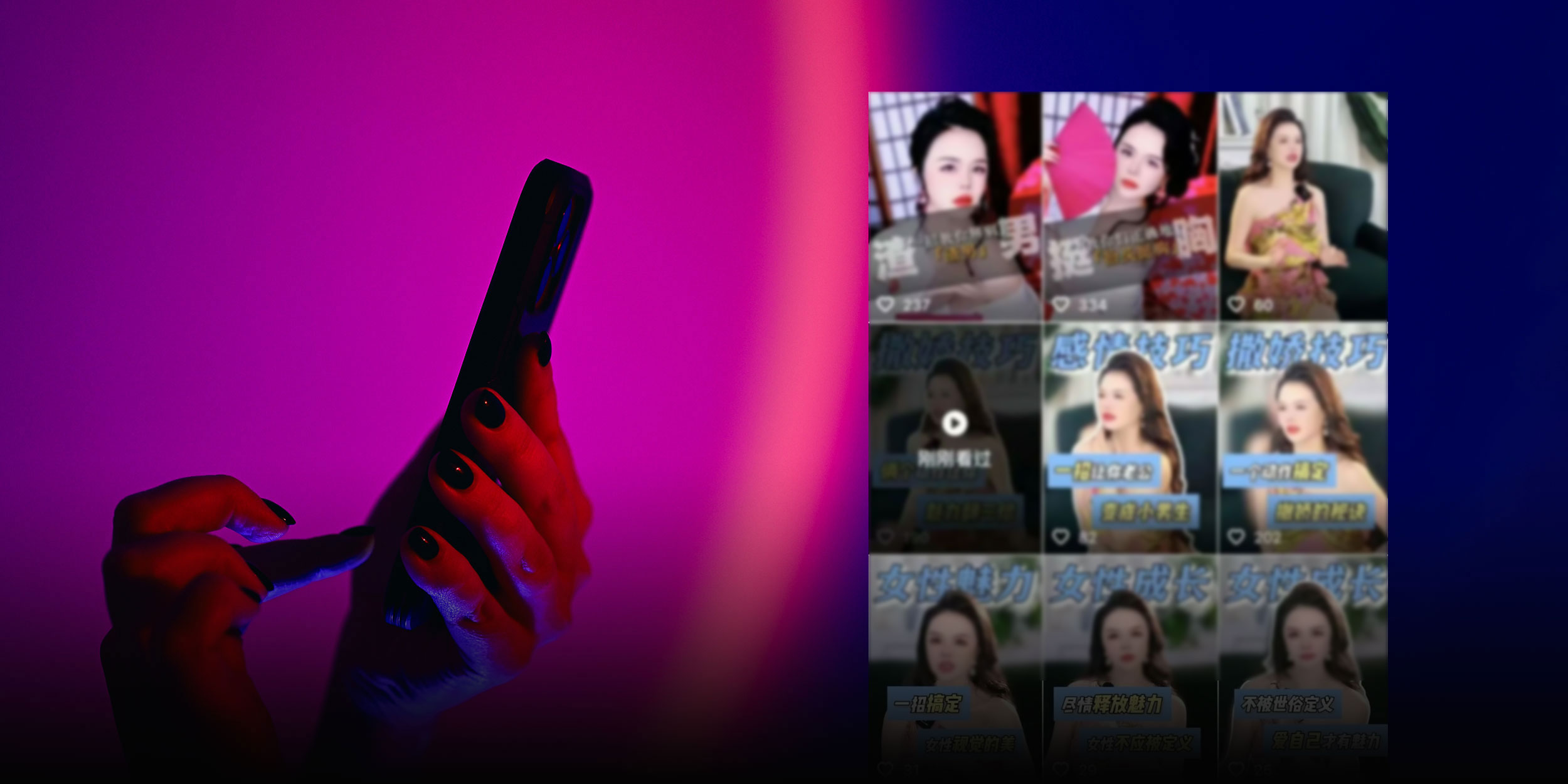
The advice is part of Zhou’s “sexual intelligence” classes, and the clip is one of many now circulating widely online after multiple Chinese social media platforms banned her accounts on Jan. 22.
The videos have been repeatedly mocked and remixed into memes, as critics accuse Zhou of promoting outdated views on dating and gender roles. Some netizens created parody videos using AI, inserting figures such as Elon Musk and Voldemort into imitations of her gestures.
The bans come amid tighter enforcement by Chinese platforms following new regulations issued last year requiring the removal of content that misuses sexual health themes or promotes unqualified counseling.
Before the ban, Zhou had amassed nearly 200,000 followers across platforms including Douyin, China’s version of TikTok, and Xiaohongshu, also known as RedNote. Zhou claims she has influenced more than 1 million people since founding her “sexual intelligence academy” in 2018. The business offers both online and offline courses exclusively for women, with prices ranging from 10 yuan ($1.40) to several thousand yuan.
Promotional materials describe the academy’s mission as nurturing “confidence that radiates from the soul to the body,” with courses covering emotional issues, dating strategies, and intimacy techniques.
Offline, Zhou hosts “intensive training camps,” priced at about 3,000 yuan for two days and nearly 5,000 yuan for three days. Marketing materials say the sessions are led by “nationally certified psychological and reproductive health consultants.”
Her staff claim high demand for these events, with over ten sessions held each month and registration often required well in advance. Though based in Changsha in central Hunan province, the operation has expanded to cities including Xiamen, Xi’an, and Nanjing.
Zhou’s business extends beyond courses into a broader commercial network spanning intimacy products, makeup, and medical services. Domestic media estimate revenue from her paid courses has exceeded 24 million yuan, with total student numbers reaching into the tens of thousands.
She is part of a broader online ecosystem of self-styles “tutors” and “sex gurus” that has grown in China in recent years. Most market courses on topics like “winning back a husband’s heart” or “securing a man’s commitment,” often alongside the sale of intimate care products. Some influencers have even promoted surgeries like hymen repair or vaginal tightening.
In response to the rapid spread of such content, Chinese authorities last August issued regulations requiring platforms to remove content that misuse sexual health themes, ban unqualified accounts from sharing professional medical information, and explicitly prohibit influential accounts from disseminating soft pornography or sexual innuendos through suggestive or coded language.
On Thursday, state-run media outlet China Women’s News described Zhou’s videos as operating in a gray area between suggestive content and pseudo-counseling, and urged platforms to strengthen moderation.
“Female charm should never…be reduced to performances aimed at pleasing others,” the commentary stated. “In contemporary society, encouraging women to be confident, independent, and self-fulfilled is already a widespread consensus.”
Editor: Marianne Gunnarsson.
(Header image: Visuals from VCG and Weibo, reedited by Sixth Tone)