Shanghai’s Roadmap for the Next Decade: Finance, AI, Green Tech
Laying out an ambitious blueprint for the next decade, Shanghai has pledged to strengthen its role as a global financial hub, betting heavily on AI, advanced manufacturing, and low-carbon technologies under its new five-year plan.
The full text of the 15th Five-Year Plan released Monday, sets a long-term goal of doubling Shanghai’s per capita GDP by 2035 and details targets for growth, industry, and living standards in China’s largest city.
At the core of the plan is a mandate to develop as an international center for economic activity, finance, trade, shipping, and scientific and technological innovation, a framework known domestically as the “Five Centers.”
The plan sets a long-term target of doubling Shanghai’s per capita gross domestic product from its 2020 level by 2035, to about 313,600 yuan ($45,000). Meeting that goal would require average annual per capita growth of roughly 6%, according to analysts cited by domestic media.
National and municipal Five-Year Plans — which began in 1953 — are a central part of China’s governmental structure and socioeconomic development. The latest national Five-Year Plan was released in October.
To drive growth, the city plans to accelerate development in semiconductors, biopharmaceuticals and AI, while upgrading traditional industries through digitalization, robotics, and low-carbon technologies. It also calls for building high-level industrial clusters, bringing together manufacturing, research, and innovation in concentrated zones.
Six emerging industrial sectors are singled out for cultivation including smart EVs and hydrogen-powered vehicles, high-end equipment manufacturing, advanced materials, low-carbon industries, and fashion and consumer goods. Special emphasis will be placed on quantum technology, brain-computer interfaces, controlled nuclear fusion, biomanufacturing, and mobile communications.
In finance and trade, the plan calls for expanding services for yuan-denominated assets and risk management, while upgrading trade and shipping through more efficient supply chains.
Beyond industrial policy, the plan underscores quality-of-life goals, including expanding employment opportunities, improving housing conditions, and augmenting public healthcare services.
Editor: Marianne Gunnarsson.
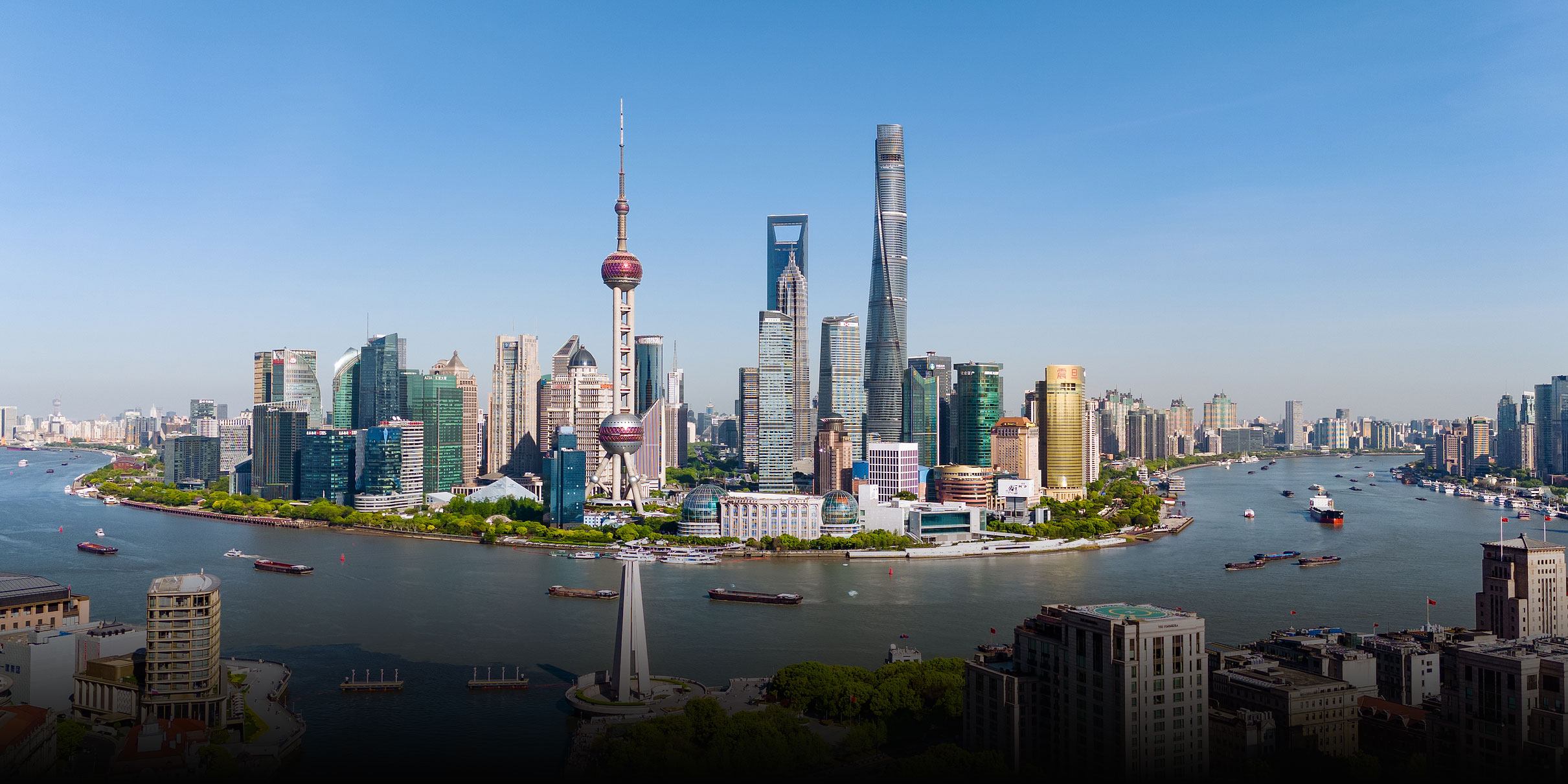
(Header image: VCG)