China Takes a Shot at Pet Obesity — Using Weight-Loss Drugs
China has begun adapting weight-loss technologies originally developed for humans for use in pets, as drugmakers target obesity rates among the country’s growing population of cats and dogs.
On Dec. 26, Chinese pharmaceutical giant Huadong Medicine announced that the Ministry of Agriculture and Rural Affairs would soon begin reviewing its new weight-loss drug for obese adult cats — among the first products to enter China’s regulatory pipeline.
The drug, pribopeptide, is a long-acting injectable similar to tirzepatide, marketed as Zepbound by American pharmaceutical company Eli Lilly. It acts as a dual “agonist,” targeting the hormone receptors involved in weight loss: the GLP-1 and GIP receptors.
Results from a Phase III clinical trial showed treated cats lost an average of nearly 10% of their baseline body weight over six weeks at the recommended dose, according to Huadong Medicine.
Earlier this month, a pair of Chinese and U.S. pharma giants, Fosun Pharma and Pfizer, announced a milestone agreement to jointly develop, manufacture and commercialize a GLP-1 receptor agonist for chronic weight management in both humans and animals.
The move comes as China’s pet economy is expected to reach 811 billion yuan ($116 billion) in 2025 and surpass 1 trillion yuan by 2027, according to a report by Chinese market research agency iiMedia Research.
“The younger generation regards pets as family members, and this emotional connection has fueled consumer behaviors that personify pets,” Zhang Yi, chief analyst at iiMedia, told domestic media.
This shift has driven the expansion of services and products across all aspects of pet care — from food and clothing to acupuncture and cremation. It has also increased demand for more regulation of, and professional training.
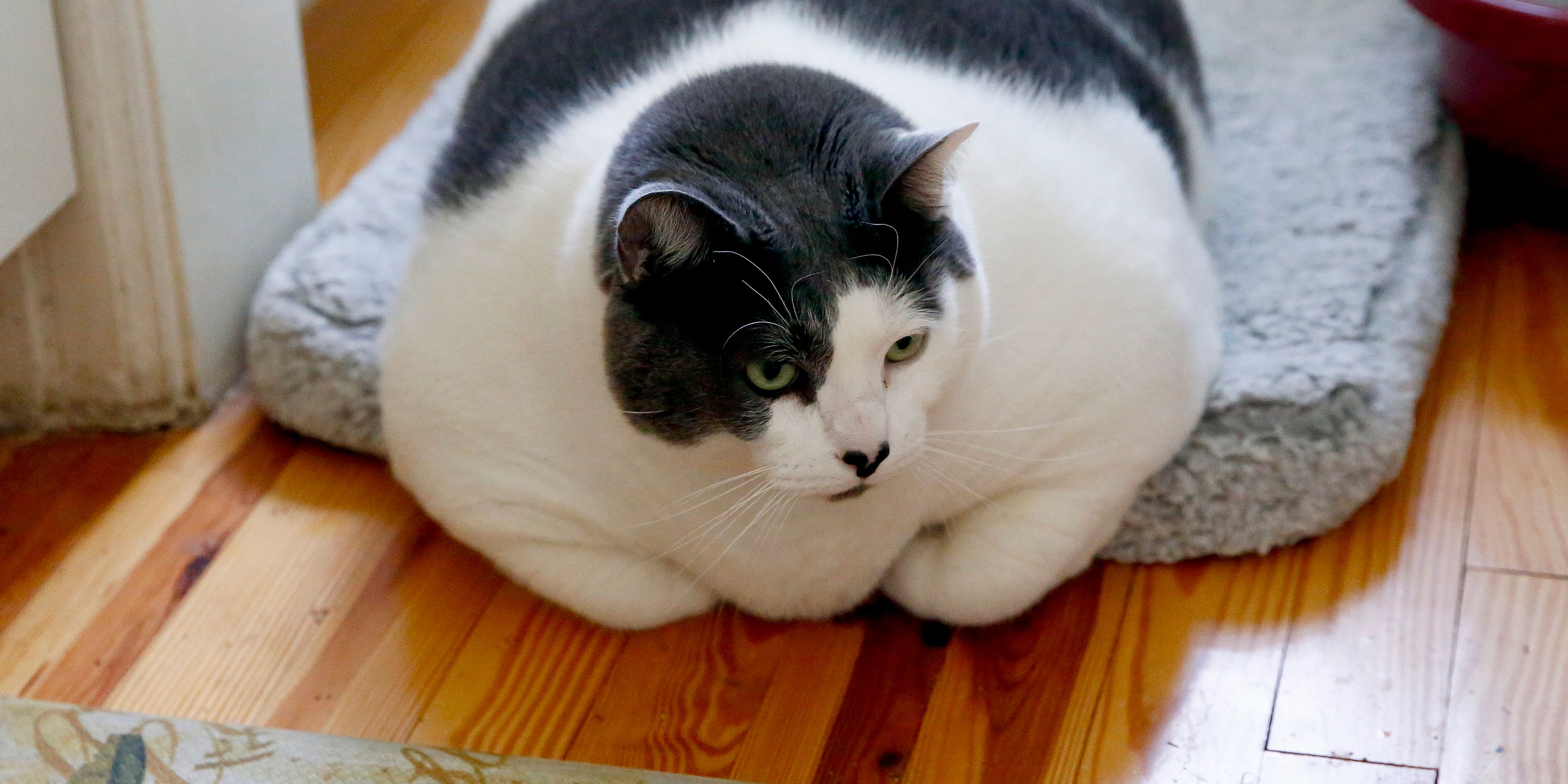
China’s total pet population reached 430 million in 2024, with more than 120 million cats and dogs in urban areas, according to a report by the China Pet Industry Association. Nearly one-third of urban cats are obese, a condition linked to higher risks of diabetes, cardiovascular disease, respiratory problems, and joint disorders.
While pet owners are increasingly willing to invest in preventive health care, it remains challenging to adapt weight loss drugs for animal use, as differences in biological characteristics raise questions about long-term effectiveness and side effects. Scaling up production to a level that makes the treatment affordable for the broader pet market further poses additional hurdles.
Editor: Marianne Gunnarsson.
(Header image: Daniel Sangjib Min/VCG)