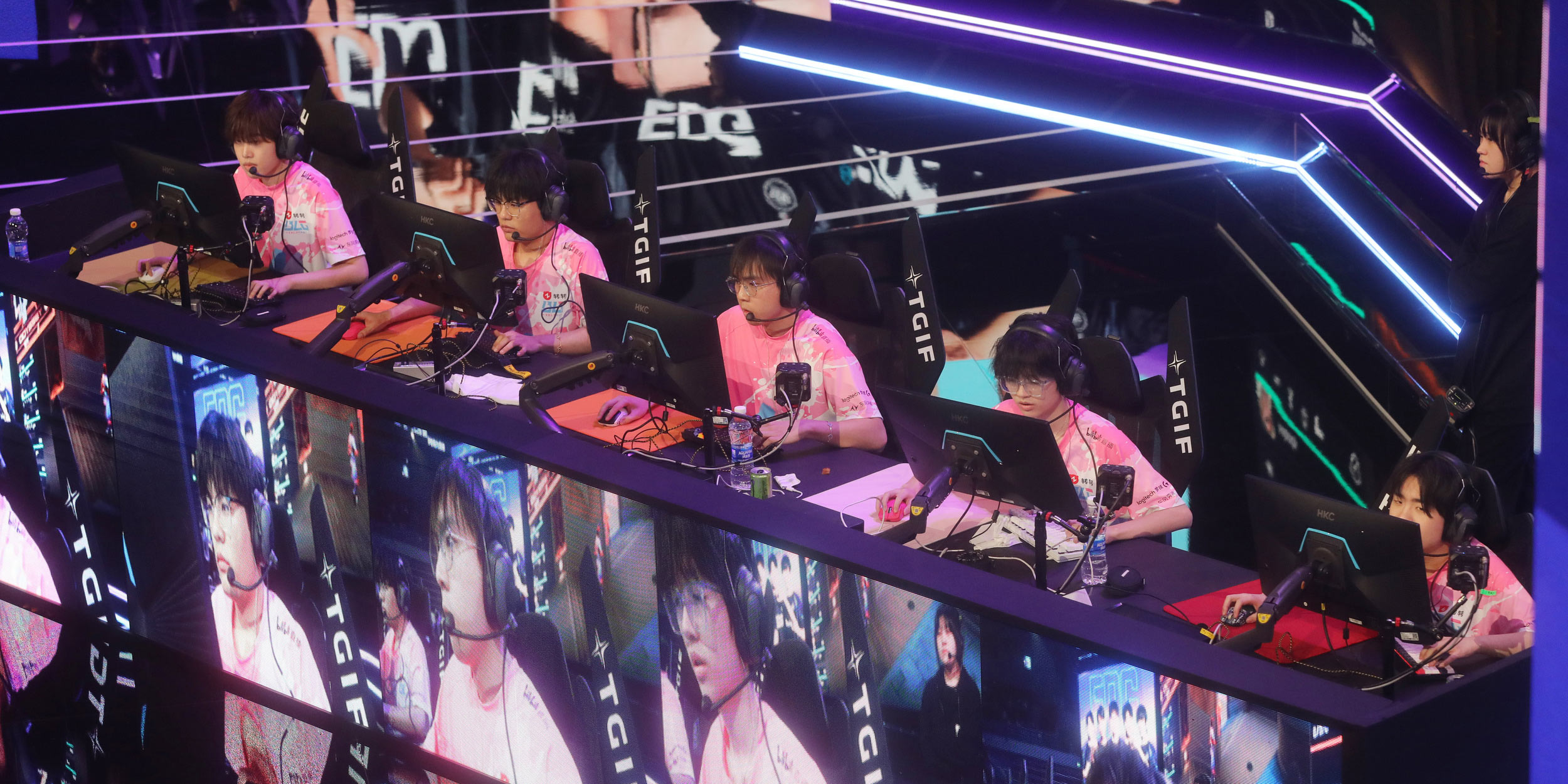
Game Plan: Shanghai Rolls out New Policy to Boost Esports
Shanghai has unveiled a citywide plan to boost its gaming and esports industry, including a 50 million yuan ($7.1 million) annual support fund, as it seeks to help homegrown game developers expand overseas.
The plan was announced at the 2025 China Game Industry Annual Conference, held from Dec. 17 to 19, where city officials outlined 10 measures aimed at building a gaming and esports ecosystem with international reach.
The measures place particular emphasis on original games in driving industry growth, encouraging the development of games that promote traditional Chinese culture and Shanghai’s urban identity. It also invites gaming collaborations with education and healthcare entities, among others.
To support overseas expansion, city authorities said they would establish a service platform to help local game developers navigate copyright, payment settlements, and overseas advertisements.
The city also pledged to boost its esports sector by attracting major international esports competitions and offering incentives to successful Shanghai-based esports clubs. The city is home to 34 esports clubs — more than any other Chinese city.
The policy shift underscores a major regional push to tap China’s booming gaming sector, which grew nearly 10% from last year to a record revenue of 350.8 billion yuan in 2025. The total number of gamers also climbed to a record 683 million.
Chinese game studios are increasingly pushing overseas, buoyed by hits such as “Black Myth: Wukong” and “Where Winds Meet,” though piracy, unauthorized private servers and trademark disputes continue to complicate international expansion.
Beyond game development, gaming has also become a broader economic driver, with sales of game-related merchandise, known as guzi, reaching nearly 170 billion yuan last year.
Shanghai’s initiative aligns with a broader national push to position gaming as a pillar of economic and cultural growth. In April, the central government rolled out a plan to promote gaming as a new driver of technological innovation and cultural exports.
Several provinces have followed with their own policies. In May, the southern Guangdong province announced measures to support esports clubs and hotels, industrial parks, and streaming hubs. In June, the eastern Zhejiang province launched a similar initiative focused on helping Chinese games expand overseas.
Editor: Marianne Gunnarsson.
(Header image: A Chinese team competes during the 2025 Shanghai Esports Masters, Dec. 4, 2025. VCG)