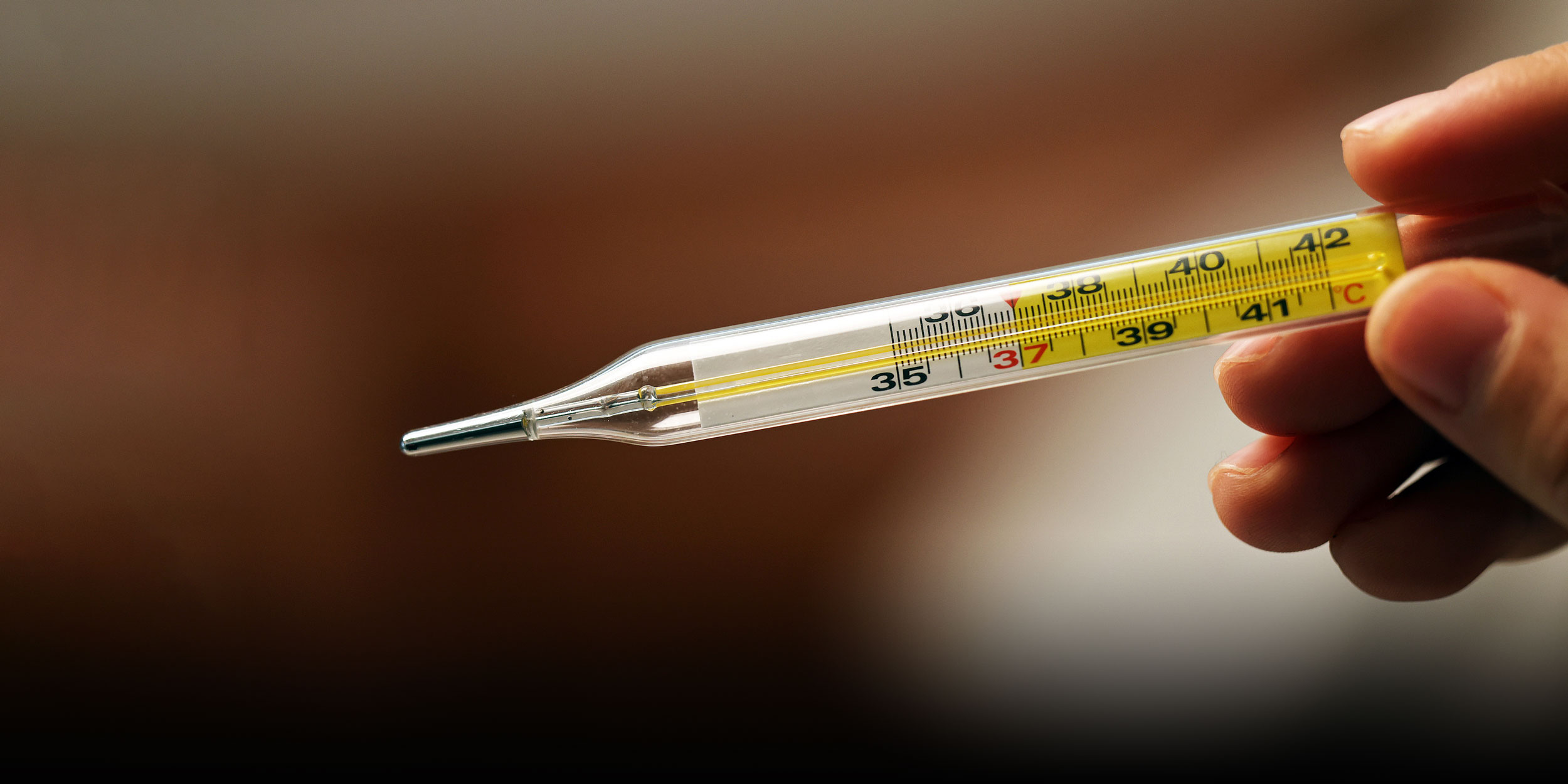
China’s Mercury Thermometer Ban Sparks Debate, and a Buying Rush
China’s impending ban on mercury thermometers has reignited debate online over safety, accuracy and nostalgia for a household staple long associated with childhood illness.
Beginning Jan. 1, 2026, China will prohibit the production of mercury thermometers and blood pressure cuffs under a policy aimed at reducing health and environmental risks associated with mercury use.
As the deadline approaches, discussion of the policy has surged across social media, drawing more than 100 million views on microblogging platform Weibo.
Supporters of the ban argue that mercury products, while inexpensive and accurate, pose safety risks due to their fragility and toxicity. To reset a mercury thermometer, users must shake it forcefully to lower the mercury column below body temperature, increasing the risk of dropping and breaking the glass device.
Mercury is highly toxic and can cause symptoms including vomiting, breathing difficulties, and seizures. According to domestic media reports, nearly half of the 278 mercury poisoning cases treated last year at Beijing’s Peking Union Medical College Hospital were linked to broken thermometers.
Others, however, argue that mercury thermometers offer the best balance between price and accuracy, especially when compared to digital versions. Some netizens have also expressed nostalgia for mercury thermometers, long a staple in Chinese households. One user wrote: “Farewell mercury thermometer… the warmth of mom’s hand, the gentlest form of care when we were sick…thank you for ensuring we had healthy childhoods.”
The widespread debate has also sparked a surge in purchases ahead of the ban. Local media report that mercury thermometers, which typically sell for just a few yuan (under $1), have sold out in many stores. Some are even stocking up, paying double or triple the usual price.
China manufactured 180 million mercury thermometers in 2024, with more than 20 million sold annually on e-commerce platforms. Meanwhile, the global digital thermometer market is expected to grow to $1.5 billion by 2031, with China accounting for roughly a quarter of global demand.
China has increasingly sought to curb its mercury use in recent years. In June, authorities banned mercury tooth fillings, a material that had been used in dentistry for nearly two centuries.
The 2026 ban also aligns with China’s commitments under the Minamata Convention on Mercury, a global treaty adopted in 2013 to reduce mercury pollution and protect human health and the environment.
China has already banned the production and import or export of 14 mercury-containing products, including certain batteries, pesticides, and insecticides, Shao Dingding, a Ministry of Ecology and Environment representative, told local media on Wednesday.
By the end of 2025, authorities plan to further phase out the production, import, and export of eight additional products containing mercury.
Editor: Marianne Gunnarsson.
(Header image: VCG)